Wolves Part Ways with Gary O’Neil: A Deep Dive into Their Struggling Season
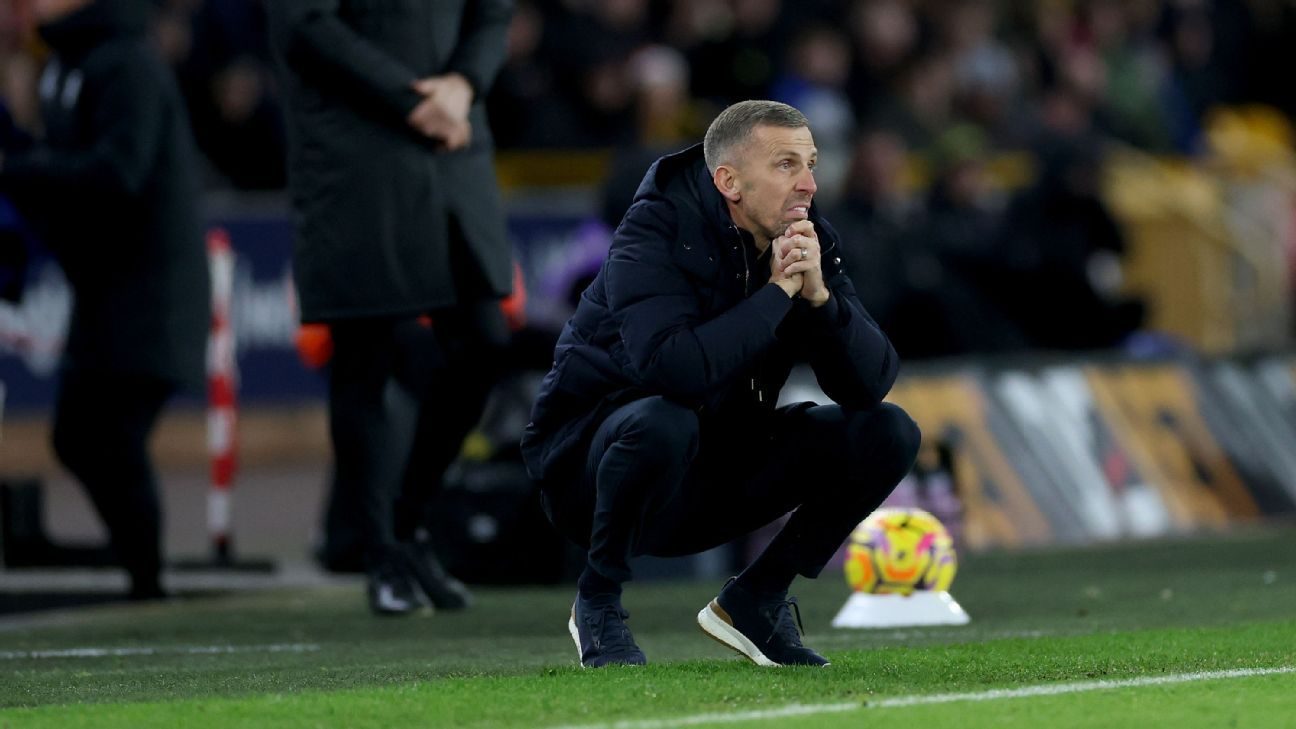
In a move that has sent shockwaves through the football community, Wolverhampton Wanderers have officially parted ways with manager Gary O’Neil. This decision comes in light of a series of disappointing performances that have left the club teetering near the relegation zone in the Premier League. As Wolves embark on a new chapter, questions abound regarding the implications of this change, the club’s strategic direction, and the potential candidates to fill the managerial void.
The Decision to Dismiss O’Neil
Gary O’Neil took charge of Wolverhampton Wanderers in June 2023, stepping into the role after a brief but successful stint at Bournemouth. Initially, his appointment was met with cautious optimism, as he was seen as a manager capable of instilling discipline and tactical awareness within the squad. However, as the season progressed, results failed to materialize, leading to mounting pressure from fans and the board alike.
The tipping point for O’Neil came after a particularly disheartening 4-1 defeat against Manchester United, a match that epitomized Wolves’ struggles in both defense and attack. The lack of cohesion and creativity on the pitch raised alarms, prompting the club’s hierarchy to reconsider their managerial strategy.
Performance Analysis
Under O’Neil’s management, Wolves struggled to find a consistent form, resulting in:
- Inconsistent performances against mid-table and lower-tier teams.
- A leaky defense that conceded goals at critical moments.
- Struggles to convert chances, leading to a lack of scoring in key matches.
Statistically, Wolves’ performance under O’Neil was concerning. The team averaged less than a goal per game, sitting at the bottom half of the league table in terms of goals scored. Moreover, the club’s defensive record was equally troubling, with the defense often caught out of position and unable to respond to counter-attacks effectively.
The Broader Implications for Wolverhampton Wanderers
The dismissal of O’Neil has broader implications for Wolverhampton Wanderers, both on and off the pitch. The decision reflects a deeper issue at the club, one that involves not just the manager but also the playing squad and the club’s long-term vision.
Short-Term Effects
In the short term, Wolves will need to navigate the treacherous waters of a managerial search while maintaining focus on their season objectives. The club’s new leadership will have to:
- Identify a suitable replacement who can quickly galvanize the squad.
- Ensure stability within the playing staff to avoid further disruption.
- Engage with fans to restore confidence and maintain support.
In addition, the interim period will be crucial for assessing the current players’ mental resilience and adaptability to new tactical approaches, especially as the club battles against relegation threats.
Long-Term Considerations
Looking beyond the immediate future, the board must consider the direction in which they want to take the club. Key questions include:
- What playing style and philosophy do they wish to adopt?
- How will they invest in the squad during upcoming transfer windows?
- What level of experience and expertise do they seek in the new manager?
The appointment of a new manager is not just a tactical decision; it is also a signal of the club’s ambition and identity. Wolves must seek a manager who not only possesses a proven track record but also aligns with the club’s long-term goals.
Potential Candidates for the Managerial Role
The search for Gary O’Neil’s successor has already begun, and several names have emerged as potential candidates. Each of these individuals brings unique strengths and could potentially lead Wolves back to stability.
1. Sean Dyche
Dyche, known for his pragmatic approach and ability to organize defensively, could bring a much-needed stability to Wolves. His experience in the Premier League with Burnley makes him a strong candidate.
2. Ralph Hasenhüttl
The former Southampton manager has a reputation for developing attacking play and could revitalize Wolves’ struggling offense. His tactical acumen and ability to manage high-pressure situations would be beneficial.
3. Nuno Espírito Santo
Returning to the club where he previously enjoyed success could be a romantic option for Wolves fans. Nuno’s familiarity with the players and the club’s culture might provide the stability needed at this critical juncture.
Conclusion
Wolverhampton Wanderers’ decision to part ways with Gary O’Neil marks a significant turning point in the club’s season. As they look ahead, the challenge lies not only in finding a suitable replacement but also in fostering a culture of resilience and ambition that aligns with their historical identity. The coming weeks will be pivotal, as the club navigates the complexities of managerial change while striving to secure their place in the Premier League. With the right leadership and a clear vision, Wolves can hope to overcome their current struggles and build a brighter future for the club.
See more Sky News Portal