Introduction
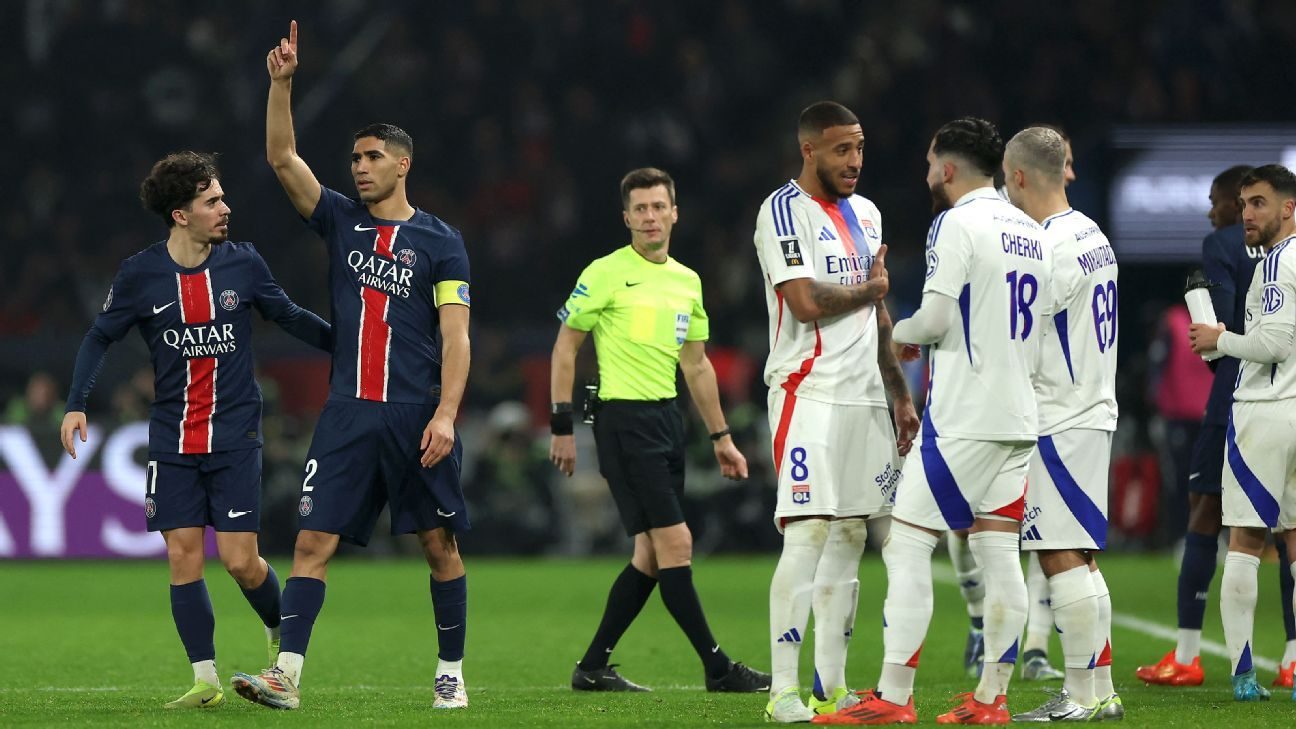
The recent match between Paris Saint-Germain (PSG) and Lyon was not only a battle for points in Ligue 1 but also a significant moment in the fight against discrimination in sports. The game was halted by the referee due to the emergence of anti-gay chants from a section of the crowd. This incident has ignited discussions about the responsibilities of officials, the role of fans, and the ongoing challenges of inclusivity within professional sports. As society progresses towards greater acceptance and understanding, the question arises: how should sports organizations and officials respond to discrimination in all its forms?
The Incident: A Stand Against Discrimination
During the high-stakes encounter on the pitch, the referee made a bold decision to pause the game in response to the chanting. This was a significant move, as it demonstrated a willingness to confront discrimination head-on rather than allowing it to fester in the shadows of the sporting arena. The chants, which were derogatory towards the LGBTQ+ community, were not just a momentary lapse of judgment from a few individuals; they represented a deeper societal issue that permeates many aspects of life, including sports.
The Immediate Reaction
The referee’s action was met with mixed reactions. While many applauded the decision as a necessary step towards promoting inclusivity and respect, others criticized it as an overreaction that disrupted the game. This dichotomy highlights the ongoing struggle within sports to balance competitive integrity with moral responsibility.
The Role of Officials in Addressing Discrimination
The referee’s decision to halt the match raises important questions about the role of match officials in combating discrimination. Traditionally, referees have focused primarily on enforcing the laws of the game. However, as social issues increasingly intersect with sports, officials are finding themselves in positions where they must take a stand against inappropriate behavior.
Guidelines and Protocols
Many sports organizations, including FIFA and UEFA, have established protocols to address discrimination. These guidelines often include steps for officials to take when faced with discriminatory behavior from fans. For example:
- **Initial Warning**: A verbal warning is often issued to the crowd.
- **Pause the Match**: If the behavior continues, referees may decide to temporarily halt the match.
- **Abandoning the Game**: In extreme cases, officials can choose to abandon the match altogether.
These measures demonstrate a commitment to creating a safe environment for all participants, yet the effectiveness of these protocols often depends on the willingness of officials to enforce them consistently.
The Broader Context of Discrimination in Sports
The incident during the PSG vs. Lyon clash is not isolated. Discrimination, particularly against the LGBTQ+ community, has been a persistent issue in many sports around the world. For instance, in recent years, numerous high-profile athletes have come out as LGBTQ+, often facing both support and backlash from fans and peers alike.
Impact on Athletes and Fans
For many athletes, the fear of discrimination can be a significant barrier to coming out. A 2020 survey by the LGBTQ+ sports organization “OutSport” revealed that approximately 70% of LGBTQ+ athletes felt that their sexual orientation would negatively affect their careers. This fear not only impacts individual athletes but also creates a chilling effect on younger generations who may feel discouraged from pursuing sports.
The Role of Fans
Fans play a crucial role in shaping the culture of sports. While many fans are supportive of inclusivity, others perpetuate discriminatory attitudes through chants and behavior at games. This creates a toxic environment that can alienate both players and fellow spectators. It is essential for fan organizations, clubs, and leagues to actively promote inclusivity and educate their supporters about the impact of their words and actions.
Moving Towards Inclusivity in Sports
As the debate continues, it is clear that more actions are needed to create a truly inclusive environment in sports. Here are some steps that can be taken:
- **Education and Awareness**: Programs aimed at educating players, officials, and fans about the importance of inclusivity can foster a more positive atmosphere.
- **Supportive Policies**: Sports organizations should develop and enforce clear anti-discrimination policies that include consequences for those who violate them.
- **Visibility**: Promoting LGBTQ+ athletes and their stories can help normalize diversity within sports and inspire others to come forward.
Conclusion
The decision of the referee to halt the PSG vs. Lyon match amidst anti-gay chants is a pivotal moment in the ongoing fight against discrimination in sports. It serves as a reminder that while competitive integrity is vital, the moral responsibility to create an inclusive environment is equally important. As the sporting world grapples with these complex issues, it is essential for all stakeholders—officials, athletes, fans, and organizations—to work together towards a culture of respect and equality. Only then can sports truly reflect the diversity and richness of the society in which they exist.
See more Sky News Portal