Introduction
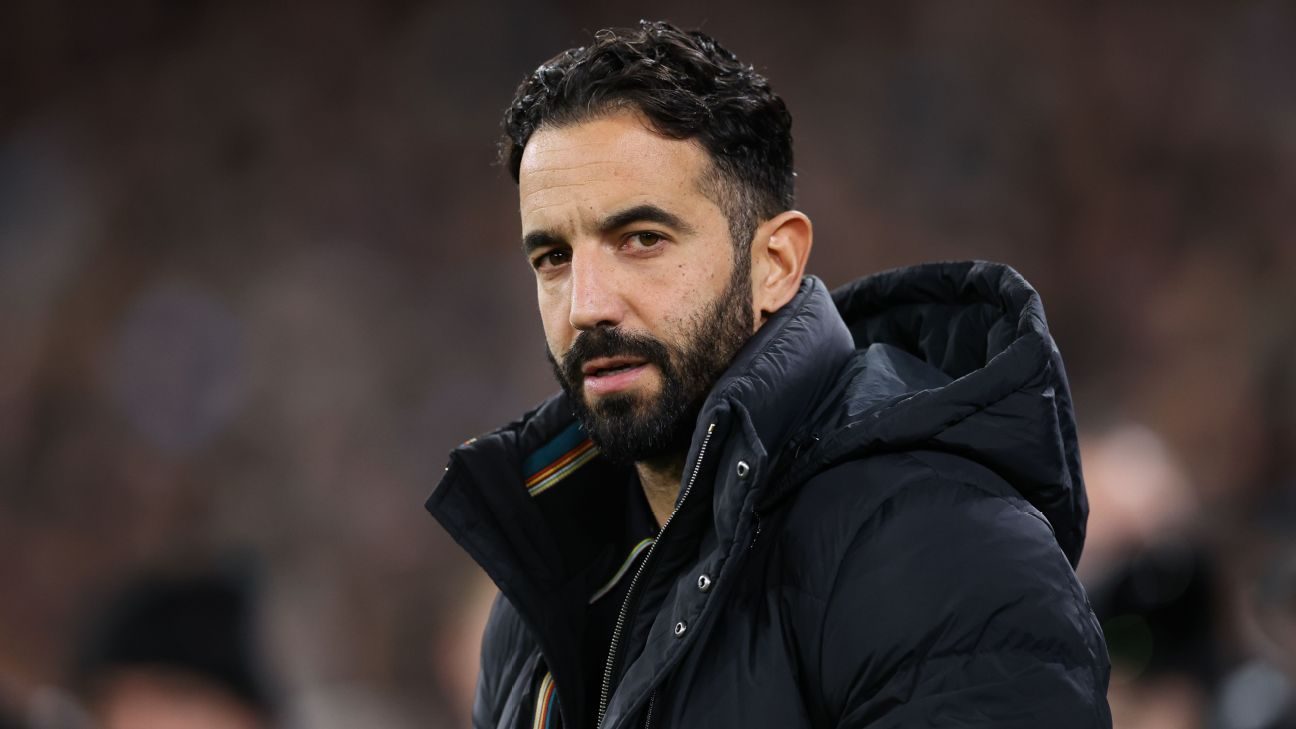
In the realm of professional football, team dynamics and player management often play a pivotal role in a team’s success. Recently, the decision by coach Ruben Amorim to retain Marcus Rashford and Alejandro Garnacho in the squad has sparked a wave of discussions among fans, analysts, and the media alike. While rumors swirled around potential disciplinary actions against both players, Amorim’s choice presents a unique opportunity to explore the underlying factors influencing this decision and its broader implications for the team.
Understanding the Context
Marcus Rashford and Alejandro Garnacho, both talented forwards, have become integral to their team’s attacking strategies. However, their recent performances and off-field behaviors have raised eyebrows. Speculations regarding disciplinary measures suggested that their positions in the squad might be in jeopardy. Yet, Amorim’s decision to keep them included in the lineup raises important questions about leadership, accountability, and the psychology of team sports.
The Role of Leadership in Team Dynamics
Leadership in football extends beyond tactical decisions; it encompasses managing personalities, addressing player behaviors, and fostering a positive team environment. Amorim’s choice to retain Rashford and Garnacho could be viewed as a demonstration of confidence in their abilities to contribute positively to the squad despite the controversies surrounding them.
- Building Trust: By keeping both players in the fold, Amorim may be signaling trust in their professionalism and commitment to the team. This decision can strengthen the relationship between the coach and players, essential for a cohesive unit.
- Encouraging Accountability: Instead of punitive measures, Amorim might be adopting a more rehabilitative approach, encouraging players to learn from their mistakes while still being part of the team. This can lead to personal growth and improved team morale.
Performance Over Controversy
In professional sports, performance often outweighs off-field issues when it comes to player selection. Rashford and Garnacho have demonstrated their capabilities on the pitch, frequently making significant contributions to their team’s success.
- Statistical Impact: Both players have been key in scoring and assisting goals, making them vital components of the team’s offensive strategy. Their absence could potentially hinder the team’s chances in crucial matches.
- Fan Support: Players like Rashford often have strong fan bases. Keeping them in the squad can help maintain fan engagement and support, which is crucial for team morale and commercial success.
Exploring the Broader Implications
The decision to retain Rashford and Garnacho also has broader implications for the team and the club’s culture. It reflects a managerial philosophy that prioritizes player development and resilience over immediate punitive actions.
Cultivating a Resilient Team Culture
Amorim’s approach can be seen as an attempt to cultivate a resilient team culture, where players feel secure enough to take risks and express themselves both on and off the pitch. This can lead to:
- Enhanced Creativity: Players who feel supported are more likely to take creative risks, potentially leading to innovative gameplay and strategies.
- Long-term Success: Fostering a positive environment can lead to long-standing player loyalty and, ultimately, long-term success for the club.
Media and Public Perception
The media plays a significant role in shaping public perception of players and coaches. Amorim’s decision to keep Rashford and Garnacho in the squad may influence how fans and analysts view the team’s management. A few perspectives include:
- Support for Management Decisions: By showcasing a willingness to support players, Amorim can enhance his reputation as a compassionate leader who prioritizes player welfare.
- Criticism of Player Behavior: Conversely, keeping the players could attract criticism regarding their conduct, influencing how fans perceive accountability within the squad.
Potential Risks and Considerations
While there are numerous benefits to Amorim’s decision, it is not without risks. Maintaining discipline and ensuring team cohesion is critical, and the coach must navigate these challenges carefully.
Balancing Team Morale and Accountability
One of the primary challenges is balancing team morale with the need for accountability. If players perceive that certain behaviors are overlooked, it could lead to:
- Discontent Among Other Players: Other squad members may feel that they are held to different standards, potentially leading to resentment and division within the team.
- Setting a Precedent: Allowing certain behaviors without consequences could set a concerning precedent, where players feel emboldened to act without regard for team rules.
Conclusion
Ruben Amorim’s decision to retain Marcus Rashford and Alejandro Garnacho in the squad, amidst speculations of disciplinary actions, reflects a nuanced understanding of team dynamics, leadership, and player management. By prioritizing performance, fostering trust, and cultivating a resilient team culture, Amorim positions his team to navigate challenges both on and off the pitch. However, this approach must be balanced with accountability to ensure that all players adhere to the standards expected in professional sports.
As the season progresses, it will be intriguing to observe how this decision affects team performance, player relationships, and overall club culture. Ultimately, Amorim’s strategy could serve as a model for how coaches can effectively manage talent while maintaining a cohesive and motivated squad.
See more Sky News Portal