Relocated to Safety: NFL Shifts Vikings-Rams Playoff Amid California Wildfires
In a decisive move, the NFL has relocated the highly anticipated Vikings-Rams playoff game to Arizona, responding to the catastrophic wildfires ravaging Los Angeles. This decision highlights the league’s commitment to player safety while addressing the impact of climate events on major sporting events. As wildfires have become a recurring threat in California, the NFL’s proactive approach underscores a growing awareness of environmental factors affecting sports logistics, player welfare, and fan engagement.
The Impact of California Wildfires on the NFL
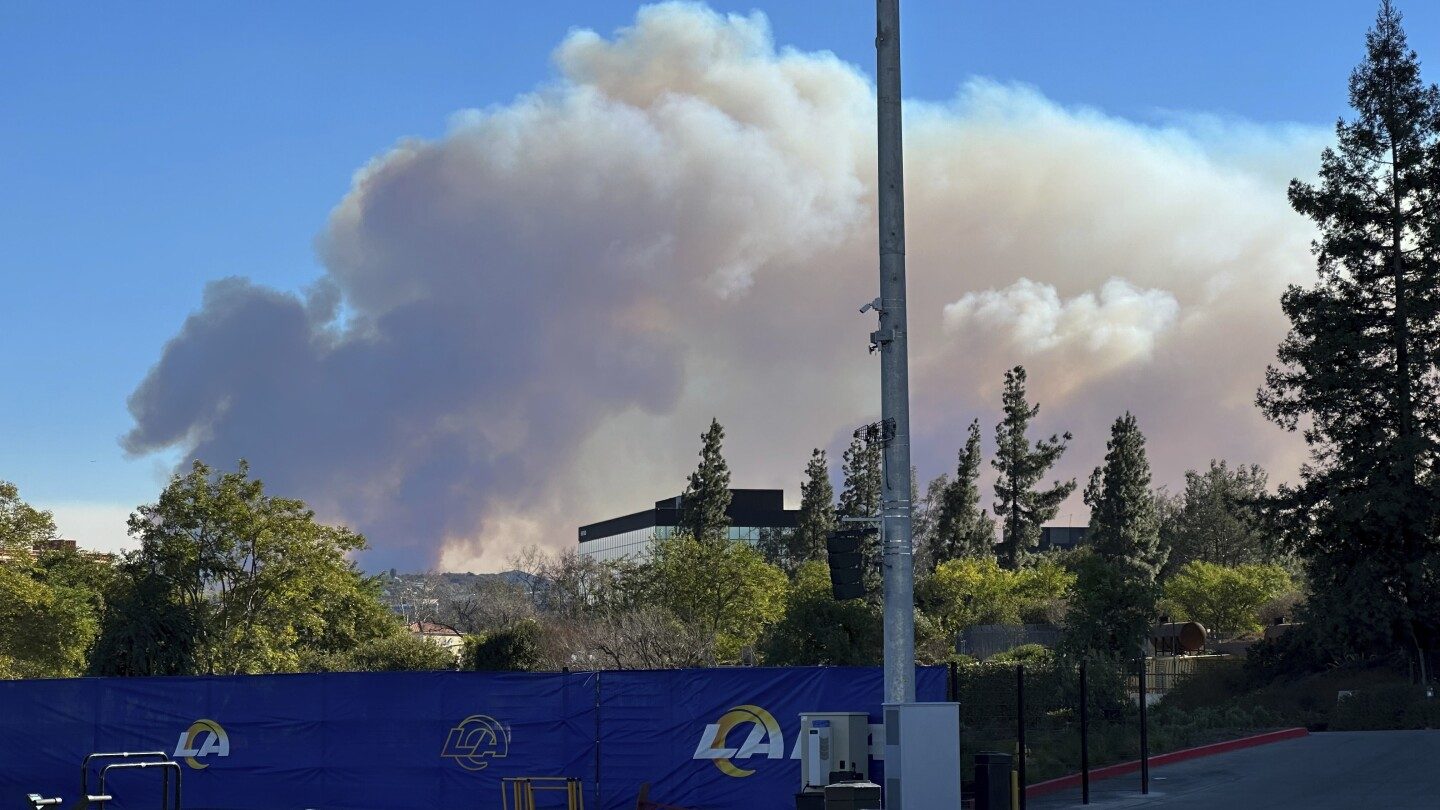
The wildfires in California have reached alarming levels, with the state grappling with several destructive blazes that threaten lives, property, and air quality. The smoke and ash generated by these fires can pose serious health risks, particularly for athletes engaged in high-intensity sports like football. Recognizing these dangers, the NFL made the swift decision to relocate the playoff game, ensuring that players, coaches, and fans are kept out of harm’s way.
In recent years, California has witnessed an uptick in wildfire incidents, attributed to climate change, prolonged droughts, and extreme weather conditions. The decision to shift the Vikings-Rams playoff game to Arizona not only protects the health of those involved but also reflects a broader trend where sports organizations are becoming increasingly aware of their environmental responsibilities.
Logistical Considerations for Relocating the Game
Relocating a playoff game is no small feat. It involves meticulous planning and coordination among various stakeholders, including team management, stadium officials, and local authorities. The NFL’s quick response involved:
- Venue Availability: Arizona’s State Farm Stadium, home of the Arizona Cardinals, was identified as a suitable alternative, ensuring that the game could proceed without significant delay.
- Travel Arrangements: Both teams needed to adjust their travel plans, with the NFL facilitating logistics to ensure safe and timely transit for players and staff.
- Fan Communication: Informing fans about the change in venue was crucial. The NFL utilized various platforms to reach out to ticket holders and provide updates on game day logistics.
These logistical challenges are part of a larger narrative that showcases the NFL’s ability to adapt to unforeseen circumstances while prioritizing safety and efficiency.
Player Safety: A Growing Concern
Player safety has been a central theme in the NFL for years, particularly concerning injuries and long-term health issues. However, the recent wildfires have introduced a new dimension to this conversation. Smoke inhalation and respiratory issues can significantly impact players’ performance and health. By relocating the game, the NFL has taken a commendable step toward mitigating these risks.
In a statement, NFL Commissioner Roger Goodell emphasized the league’s commitment to prioritizing player welfare. “The safety of our players is paramount, and we must adapt to ensure their well-being, especially in light of environmental challenges.” This sentiment resonates not just within the league but also among fans who are increasingly concerned about the health implications of playing under adverse conditions.
Climate Change and Sports: A Broader Perspective
The decision to relocate the Vikings-Rams playoff game is emblematic of a larger trend within the sports industry, where organizations are beginning to acknowledge the impact of climate change on operations. As extreme weather events become more frequent, sports leagues are faced with the challenge of adapting to new realities.
Here are several ways climate change is influencing the sports world:
- Scheduling Conflicts: Weather-related disruptions can lead to rescheduling or relocation, as seen in the recent NFL decision.
- Stadium Infrastructure: Leagues are investing in sustainable practices, such as eco-friendly stadium designs and energy-efficient operations.
- Fan Engagement: Teams are increasingly focusing on how climate issues affect their fan base, promoting awareness and encouraging eco-friendly practices among supporters.
These changes indicate a shift in how sports organizations view their responsibilities toward the environment and their communities.
Fan Experience: Adjusting to a New Venue
While the relocation of the Vikings-Rams playoff game ensures safety, it also presents challenges for fans who were prepared to attend the game at its original location. The NFL has implemented measures to ease this transition:
- Ticket Transfers: Fans who purchased tickets for the game in Los Angeles were offered options to transfer their tickets to Arizona or receive refunds.
- Travel Packages: The league partnered with local hotels and travel agencies to provide packages for fans willing to attend the game in Arizona.
- Engaging Content: In the lead-up to the game, the NFL has ramped up its digital engagement, providing fans with exclusive content and updates to keep the excitement alive despite the venue change.
By addressing these concerns, the NFL aims to maintain the enthusiasm surrounding the playoffs, ensuring that fans remain engaged even amidst challenging circumstances.
Conclusion: A Future Focused on Safety and Sustainability
The relocation of the Vikings-Rams playoff game to Arizona is a clear demonstration of the NFL’s commitment to safety and adaptability in the face of climate events. As wildfires continue to threaten communities in California and beyond, the league’s decision reflects a growing recognition of the interplay between sports, safety, and environmental responsibility.
Moving forward, it’s essential for sports organizations to continue prioritizing player welfare while also considering the broader implications of climate change. The NFL’s proactive stance serves as a model for other leagues, highlighting the importance of being prepared for unexpected challenges. As we witness the evolution of sports management in the context of environmental realities, one thing is clear: safety should always come first, and the NFL is leading the charge in this vital conversation.
See more Sky News Portal