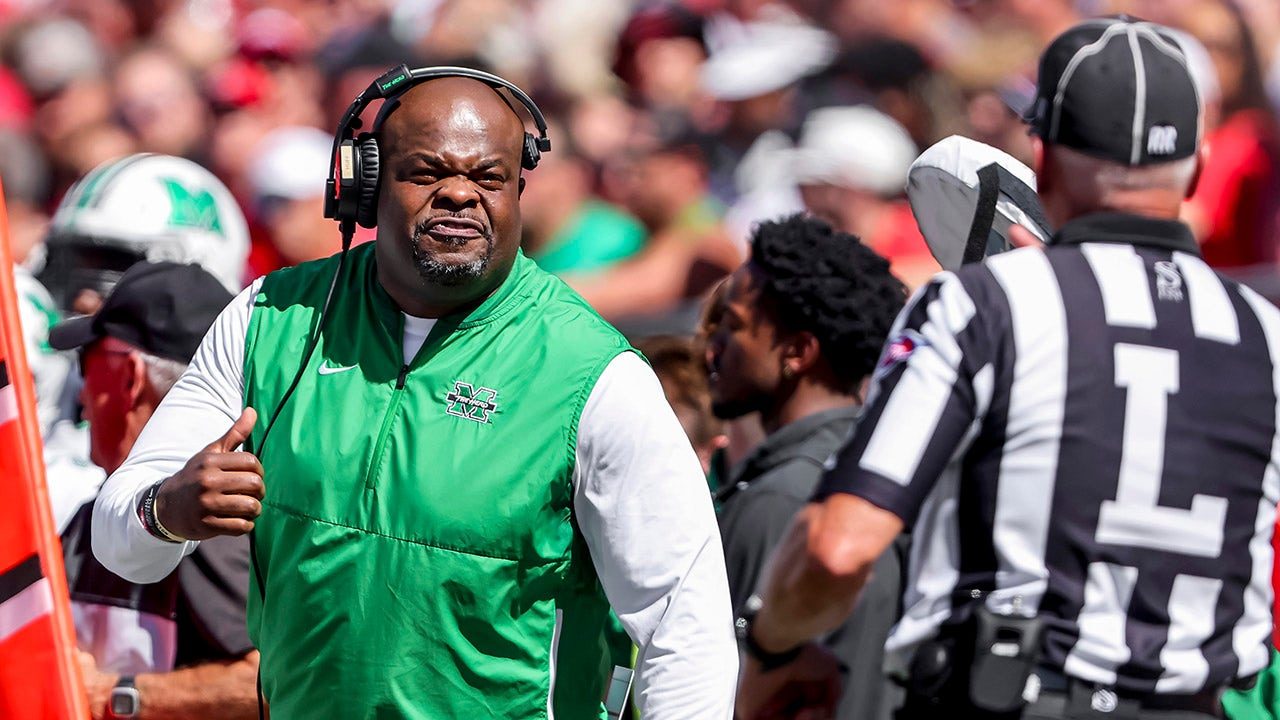
Marshall’s Bowl Game Withdrawal: A Controversial Decision
The recent decision by Marshall University to withdraw from a college football bowl game has ignited a firestorm of debate among fans, analysts, and stakeholders in the college sports community. This bold choice not only reflects the university’s stance on certain issues but also carries significant repercussions, including hefty fines from their conference. Understanding the implications of Marshall’s bowl game withdrawal requires a deep dive into the factors that led to this decision, its immediate consequences, and what it might mean for the future of the program.
Background of the Decision
Marshall University, known for its rich football heritage and passionate fan base, faced a pivotal moment when they decided to withdraw from their bowl game opportunity. The decision stemmed from various factors, including concerns over player health, academic priorities, and the overarching issue of player welfare in college athletics.
As the college football landscape continues to evolve, concerns regarding player safety have come to the forefront. With increasing awareness about head injuries and the long-term impacts of concussions, many programs are reassessing their commitments to player participation in postseason games. Marshall’s administration likely weighed these factors heavily, aiming to prioritize the well-being of their student-athletes.
Consequences of Withdrawal
One of the most immediate consequences of Marshall’s bowl game withdrawal was the financial impact. The university faced fines imposed by their conference, which can serve as a stark reminder of the monetary implications tied to such decisions. These fines not only affect the university’s budget but also raise questions about the financial sustainability of athletic programs that choose to prioritize player welfare over postseason participation.
- Financial Penalties: The fines can reach into the hundreds of thousands of dollars, depending on the conference rules.
- Reputation Risks: Withdrawing from a bowl game can tarnish a program’s reputation, as it may be perceived as a lack of ambition or commitment to the sport.
- Impacts on Recruitment: Prospective athletes might view this decision as a negative sign, potentially affecting future recruitment efforts.
The Broader Implications for College Athletics
Marshall’s decision to withdraw is not an isolated incident; rather, it reflects a growing trend in college athletics. Schools across the nation are grappling with similar dilemmas as they navigate the complex interplay between player safety, academic integrity, and the pursuit of athletic success.
In recent years, there have been numerous discussions about the ethics of college sports, especially regarding how student-athletes are treated. Issues such as mental health support, academic pressures, and the commercialization of college athletics have all come under scrutiny. Marshall’s withdrawal from the bowl game can be seen as a progressive step towards prioritizing the holistic development of student-athletes, which is a significant concern for many educational institutions.
Reactions from the Community
The community’s reaction to Marshall’s bowl game withdrawal has been mixed. Supporters of the decision argue that prioritizing player health and academics is essential in today’s athletics environment. They believe that the university’s commitment to its student-athletes should come first, even if it means sacrificing a chance at a bowl game.
Conversely, detractors have voiced their disappointment, expressing concerns that this decision might diminish the program’s competitiveness and prestige. For many fans, bowl games are not just about the teams; they also represent tradition, pride, and the culmination of a season’s hard work. The emotional toll of such a withdrawal can be significant, as it impacts not only the players but the entire fanbase.
Looking Ahead: The Future of Marshall Football
As Marshall University moves forward from this controversial decision, several key factors will shape the future of their football program. The administration must now focus on rebuilding the relationship with their supporters and ensuring that their recruitment strategies remain robust.
- Enhancing Player Support Systems: Investing in mental health resources and academic support can help mitigate concerns about player welfare.
- Transparent Communication: Open dialogue with fans and stakeholders about the decision-making process can foster understanding and support.
- Focus on Long-term Goals: Emphasizing the importance of education and personal development over short-term athletic success can reshape perceptions.
Conclusion
Marshall’s bowl game withdrawal stands as a significant moment in college athletics, highlighting the ongoing struggle between tradition and modern ethical considerations. While the decision has sparked controversy and financial repercussions, it also opens the door for a broader conversation about the role of universities in protecting their student-athletes. As the landscape of college sports continues to evolve, Marshall University may very well lead the way in prioritizing the welfare of its players, setting a precedent for others to follow.
In conclusion, while the immediate fallout from Marshall’s withdrawal may be challenging, it could serve as a catalyst for necessary change within college athletics, emphasizing the importance of player welfare and academic achievement over mere athletic accolades. The future of Marshall football may depend on how well they adapt to these new priorities, ultimately shaping a program that values its student-athletes as much as it values their performance on the field.
See more Sky News Portal