Tensions Rise: Luis Malagón’s Social Media Clash with Fans and ESPN Host
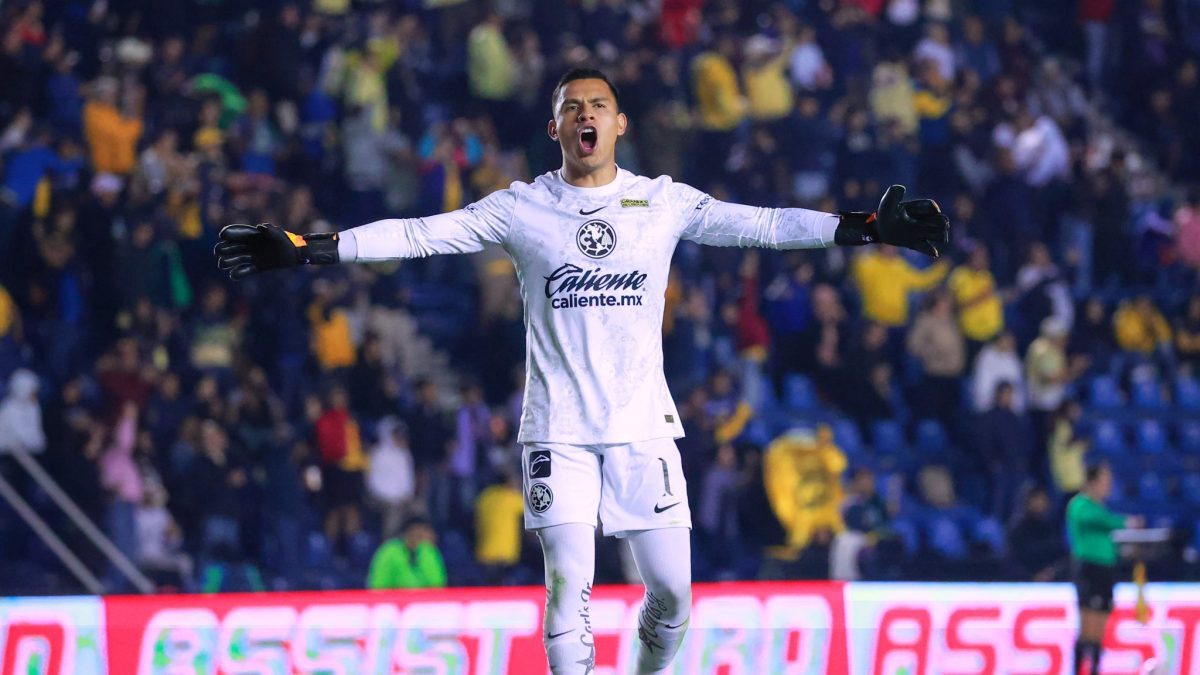
In a surprising turn of events, soccer player Luis Malagón finds himself at the center of controversy after a heated exchange with a fan spiraled into a public debate with an ESPN commentator. This incident has sparked widespread discussion about athlete-fan interactions and the role of social media in sports. The clash highlights not only the fragility of relationships in the digital age but also the immense pressure athletes face as public figures.
The Incident Unfolds
The controversy began when Malagón, a rising star in soccer, posted a seemingly innocuous tweet reflecting on his team’s recent performance. However, a fan responded with criticism, questioning his commitment and skill on the field. Instead of letting it slide, Malagón engaged, firing back with a pointed response that quickly garnered attention.
What started as a simple exchange soon ballooned into a heated debate, drawing in ESPN host and commentator, who had been following the back-and-forth closely. The commentator weighed in, suggesting that Malagón’s reaction was unprofessional and indicative of a broader issue among athletes who struggle to handle criticism from fans.
Social Media’s Role in Athlete-Fan Interactions
This incident sheds light on the growing complexities of athlete-fan interactions in the age of social media. Platforms like Twitter and Instagram have given fans unprecedented access to their favorite players, allowing them to voice their opinions directly. While this connectivity can foster a sense of community, it also opens the door to negativity and criticism.
Many athletes, including Malagón, have expressed frustration over the unrealistic expectations placed upon them by fans and commentators alike. They are under constant scrutiny, and their every move is subject to public opinion. This heightened visibility can lead to emotional responses, as was the case with Malagón.
Public Reaction and Support for Malagón
In the wake of the incident, fans have taken to social media to express their support for Malagón. Many argue that athletes are human and entitled to defend themselves against criticism. Supporters have launched hashtags like #StandWithMalagón, advocating for a more respectful discourse between fans and players.
- Empathy for Athletes: Fans are beginning to understand the pressures athletes face, prompting discussions around mental health in sports.
- Respectful Engagement: The incident has sparked a call for fans to engage with athletes in a more constructive manner.
- Awareness of Impact: This situation has raised awareness about the potential impact of social media comments on an athlete’s mental state.
ESPN’s Role and the Media’s Responsibility
The involvement of the ESPN commentator adds another layer to the discussion. The media plays a crucial role in shaping public perception of athletes. Commentators often wield significant influence, and their opinions can quickly become the narrative surrounding an athlete.
In this case, the commentator’s critique of Malagón’s response was met with mixed reactions. While some agreed with the sentiment that athletes should maintain professionalism, others felt that the commentator’s remarks were overly harsh and dismissive of the pressures athletes face.
Lessons Learned from the Clash
The clash between Luis Malagón, fans, and the ESPN host offers several lessons:
- Humanizing Athletes: It’s essential to remember that athletes are people first. They experience emotions, stress, and vulnerability just like anyone else.
- The Power of Words: Comments made on social media can have lasting effects. It’s vital for both athletes and fans to choose their words carefully.
- Building Bridges: There’s an opportunity for athletes and fans to engage in dialogue, fostering understanding rather than conflict.
Looking Ahead: The Future of Athlete-Fan Interactions
The rise of social media has undeniably changed the landscape of sports. As fan engagement becomes increasingly digital, both athletes and fans must navigate this new terrain. Moving forward, it’s crucial for athletes to develop strategies for managing online interactions, while fans should practice empathy and respect.
Additionally, sports organizations and media outlets can play a role in facilitating healthier conversations. Workshops and training sessions focused on communication can benefit both athletes and fans, creating a more supportive environment.
Conclusion: A Call for Understanding
The incident involving Luis Malagón serves as a reminder of the complexities surrounding athlete-fan dynamics in the digital age. As tensions rise, it’s essential for all parties involved to approach interactions with empathy and understanding. By fostering a culture of respect, we can create an environment where athletes feel supported and fans can express their opinions constructively.
As we move forward, let this incident spark a broader conversation about mental health, respect, and the responsibilities of both athletes and fans. In a world where social media reigns supreme, it’s time to champion understanding and compassion in sports.
See more Sky News Portal