A Wife’s Outcry: Class and Controversy in Jerod Mayo’s Departure from the Patriots
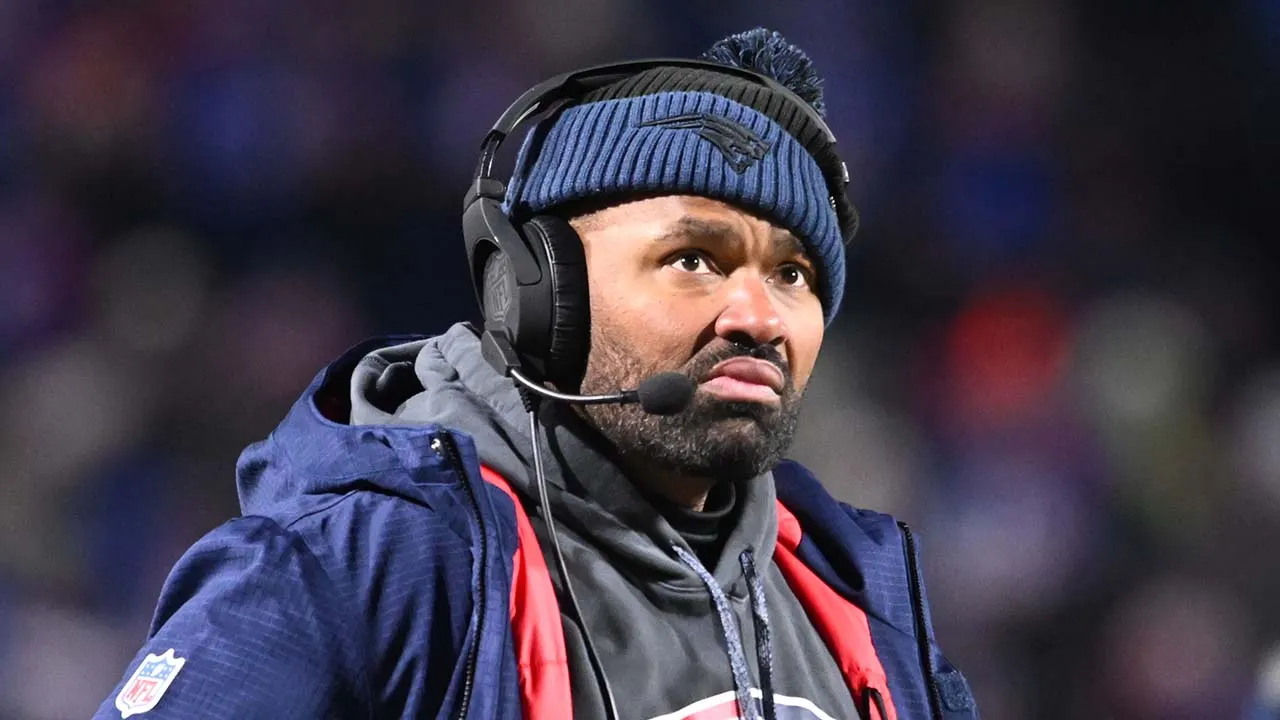
In the world of professional sports, decisions can often seem abrupt and lacking in empathy, especially when they involve personnel changes. Such was the case with the recent firing of Jerod Mayo, the former linebackers coach for the New England Patriots. This unexpected decision has sparked a wave of discussions, particularly following the heartfelt response from Mayo’s wife on social media, who expressed her deep concerns about the perceived lack of class in how the situation was handled. Her emotional outcry not only highlights the personal impact of professional decisions but also raises broader questions about the treatment of coaches and their families in the high-pressure environment of the NFL.
A Personal Perspective on a Professional Dilemma
Jerod Mayo, a former linebacker for the Patriots and a respected coach, was known for his dedication to the team and his players. His abrupt departure from the organization has left many wondering about the reasons behind it and the implications for his future. Mayo’s wife took to social media, describing the situation as a reflection of the “lack of class” that can cloud decisions in the professional sports world. This candid expression of frustration sheds light on the emotional toll that such decisions can take on coaches and their families.
The emotional outcry from Mayo’s wife resonates with many in the sports community who have witnessed similar situations. The world of professional coaching is often characterized by instability, where job security is tenuous, and personal sacrifices are high. Coaches pour their hearts into their work, often at the expense of time with family and personal well-being. When decisions are made suddenly, it can feel not just like a professional setback but also a personal betrayal.
The Impact of Coaching Decisions on Families
The firing of a coach can have far-reaching consequences, extending beyond the individual to their families. In many cases, families relocate to support their loved ones, often uprooting their lives for the sake of a coaching career. The emotional fallout from a sudden departure can leave families reeling, as they must navigate the complexities of loss, uncertainty, and, in some cases, public scrutiny.
- Emotional Stress: The stress of sudden job loss can impact mental health, leading to anxiety and depression.
- Relocation Woes: Families may have to relocate quickly, which can disrupt children’s education and social lives.
- Public Scrutiny: Coaches and their families often face public scrutiny, which can add to the pressure and emotional burden.
Mayo’s wife’s statements reflect a broader concern about how the human aspect of coaching is often overlooked amidst the business decisions that are made. The emotional toll of such decisions on families is a poignant reminder that behind every coach is a network of support and love that is also affected by these changes.
Class and Professionalism in Sports
The notion of “class” in sports is often debated. What does it mean to act with class in the professional realm? In Mayo’s case, his wife argues that the manner of his departure lacked the respect and dignity that should accompany such significant decisions. This sentiment aligns with a growing call within the sports community for greater transparency and compassion regarding personnel changes.
When organizations prioritize humanity in their decision-making processes, it fosters a culture of respect and loyalty. Here are some aspects to consider regarding class in professional sports:
- Transparency: Clear communication about decisions and their rationale can help ease the emotional burden on those affected.
- Support Systems: Providing resources for coaches and their families during transitions can demonstrate a commitment to their well-being.
- Respect for Contributions: Acknowledging the hard work and dedication of coaches, even during their departure, helps to maintain a sense of dignity.
Comparing Coaching Tenures: A Broader Perspective
The treatment of coaches varies widely across the NFL, with some organizations known for their loyalty to coaching staff, while others are more transactional in nature. For example, some teams have cultivated a reputation for stability, allowing coaches to develop their strategies over time without the looming threat of immediate dismissal. This stability not only benefits the coaches but also contributes to the overall health of the team.
Conversely, teams that frequently change coaching staff may create an environment of anxiety and uncertainty. In such environments, the focus may shift from long-term development to short-term results, leading to hasty decisions that can overlook the human element involved.
Looking Forward: The Future Beyond the Patriots
As Jerod Mayo navigates his departure from the Patriots, the potential for his future remains bright. Coaches often find new opportunities in other organizations, where their skills and experiences can be valued anew. However, the path forward is often fraught with challenges, not just for the coach but also for their family.
For Mayo, this could mean opportunities in college football or other professional leagues. His reputation as a player and coach may open doors that would allow him to continue his career while also providing a more stable environment for his family. The support from fans and the community can play a crucial role in this transitional period, providing encouragement and understanding.
The Bigger Picture: A Call for Change
The emotional response from Jerod Mayo’s wife serves as a reminder of the need for change in how professional sports organizations handle personnel decisions. As fans, players, and stakeholders advocate for more compassionate practices, it is essential to remember that the individuals involved are more than just names on a roster; they are people with families, dreams, and aspirations.
In conclusion, the departure of Jerod Mayo from the New England Patriots has sparked a necessary conversation about class and the treatment of coaches in professional sports. It serves as a poignant reminder that the decisions made in the boardrooms of sports organizations have real human consequences. As the industry evolves, it is imperative that respect, transparency, and support become guiding principles, ensuring that the human element remains at the forefront of all decisions.
See more Sky News Portal