Introduction
In recent weeks, Manchester City has faced a wave of criticism as the team struggles to maintain its dominance in English football. At the heart of this turmoil is Pep Guardiola, the highly regarded manager who has been instrumental in the club’s success over the past several seasons. However, Guardiola’s recent admission of responsibility for the team’s decline has raised eyebrows and ignited discussions about his leadership and the future of Manchester City. As the club grapples with underwhelming performances, the implications of Guardiola’s statements extend beyond the pitch, prompting a closer examination of the team’s trajectory and its broader impact on football.
Guardiola’s Admission: A Shift in Narrative
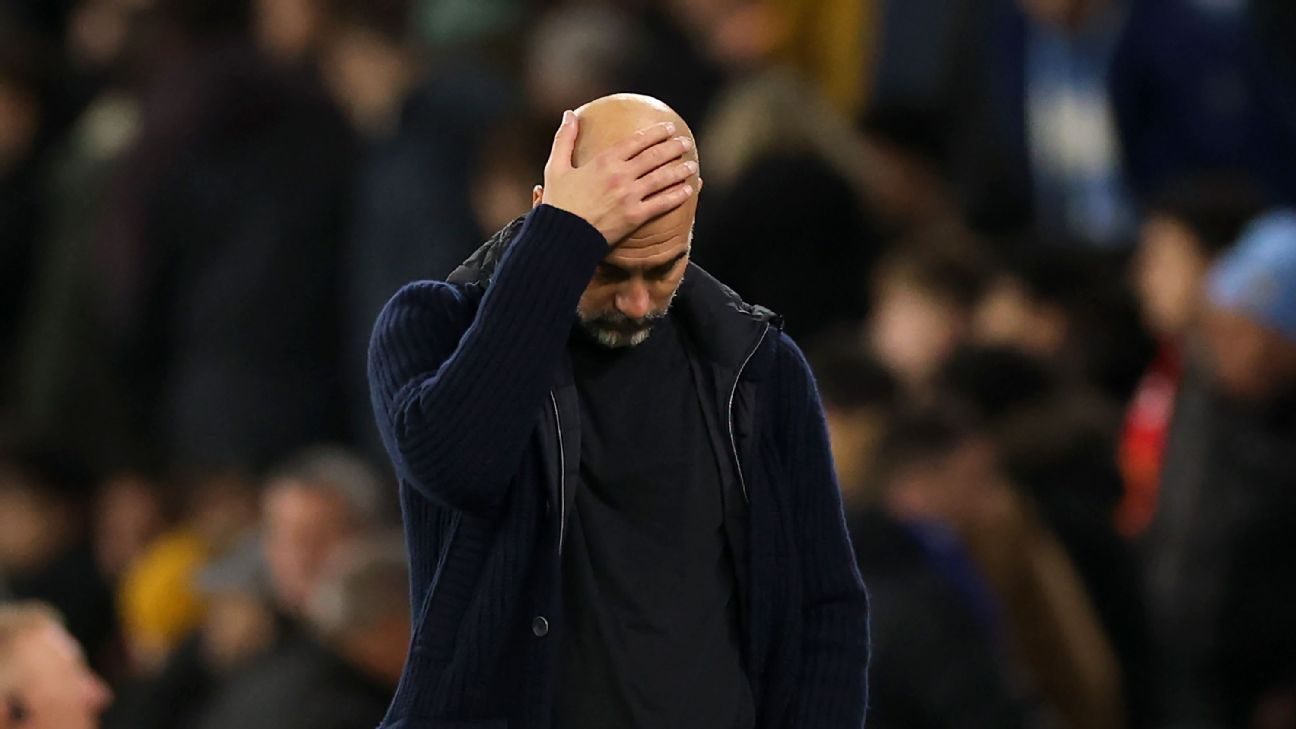
In a recent press conference, Guardiola took the unprecedented step of publicly accepting blame for Manchester City’s recent failures. This candid acknowledgment has not only shocked fans and pundits but has also forced a critical evaluation of his tactics, team selection, and overall strategy.
Guardiola stated, “As the manager, I must take responsibility. The players are doing their best, but we need to find solutions.” His remarks suggest a recognition of the pressure the team is under after a series of disappointing results, including unexpected losses and a faltering defense. This shift in narrative indicates a deeper issue within the club that extends beyond mere player performance.
Performance Metrics: Decline in Form
Recent match statistics reveal a concerning trend for Manchester City. The club’s once-imposing attack has become less efficient, with goals per game dropping significantly compared to previous seasons. Key metrics include:
- Goals Scored: The team has averaged 1.5 goals per match this season, a stark contrast to the 2.5 goals per match during their title-winning campaigns.
- Possession Rates: While still holding a dominant possession percentage, the effectiveness of that possession has waned, leading to fewer clear-cut chances.
- Defensive Errors: The defense has been plagued by lapses in concentration, leading to avoidable goals against.
This decline can be attributed to various factors, including injuries to key players, an over-reliance on certain tactics, and perhaps the mental fatigue of having to sustain high performance over multiple seasons.
Leadership Under Scrutiny
Guardiola’s leadership style has always been characterized by a meticulous approach to tactics and a demand for perfection. However, his recent admission suggests an acknowledgment that the current approach may need reevaluation. It raises questions about whether his methods have become outdated or if the players are simply unable to execute his vision effectively.
Moreover, Guardiola’s intense style has often been praised for fostering a winning culture, yet it may also contribute to a high-pressure environment that can lead to burnout. As the team navigates this difficult phase, the ability of Guardiola to adapt and motivate his squad will be crucial.
Alternative Perspectives: The Role of Management and Ownership
While Guardiola is the face of the team’s struggles, it is essential to consider the role of Manchester City’s management and ownership. The club’s ownership structure, led by the City Football Group, has heavily invested in talent acquisition and infrastructure. However, the pressure to deliver results can create an environment where expectations outpace realistic outcomes.
Additionally, the coaching staff and support teams play a vital role. Guardiola’s tactical decisions are implemented by his assistants, and any shortcomings in strategy may reflect a collective issue rather than solely on his shoulders. An inquiry into the coaching dynamics at Manchester City may reveal systemic challenges that need addressing.
Fan Reactions and the Social Media Landscape
The reaction from fans has been mixed. Many supporters remain loyal to Guardiola, recognizing his past achievements and the transformative impact he has had on the club. However, a growing faction is voicing concerns on social media platforms, expressing frustration over the team’s lack of progress and questioning whether Guardiola is still the right man for the job.
Social media has amplified these discussions, with hashtags such as #GuardiolaOut trending after particularly disappointing performances. This digital discourse underscores the urgency felt by fans who demand accountability and results, even from a manager who has delivered unprecedented success.
Broader Implications for Manchester City
The implications of Guardiola’s admission and the team’s decline extend beyond the immediate results. For Manchester City, a club that has invested heavily in its brand and sporting success, maintaining a winning culture is paramount.
Failing to rectify the current issues could not only jeopardize their standing in the Premier League but also affect their ambitions in European competitions, where expectations are sky-high. Additionally, the ongoing uncertainty could impact player morale, recruitment efforts, and sponsorship deals.
The Future: Potential Pathways
As Manchester City seeks to reverse its fortunes, several pathways could emerge:
- Strategic Adjustments: Guardiola may need to rethink his tactical approach, potentially integrating younger players and experimenting with formations that better suit the current squad’s strengths.
- Injury Management: Addressing the fitness and health of key players will be essential for a turnaround. The club’s medical staff must ensure that injuries do not continue to plague the team’s performance.
- Leadership Development: Guardiola may benefit from fostering a leadership group within the squad that can help drive the team forward, particularly during challenging times.
Conclusion
Guardiola’s public acceptance of responsibility marks a pivotal moment in Manchester City’s journey this season. As the club faces its most significant challenge in years, the ability to adapt and respond will be crucial. The intertwined fates of Guardiola and the team will continue to be scrutinized, and the coming months will determine whether Manchester City can reclaim its status as a dominant force in football or slip further into decline.
Ultimately, the situation serves as a reminder of the complexities of football management, where success is often fleeting, and even the most accomplished leaders can find themselves at a crossroads. For Guardiola, this may be a defining moment that shapes the narrative of his tenure at Manchester City.
See more Sky News Portal