Gregg Popovich’s Resilience: An Inside Look at His Recovery Journey
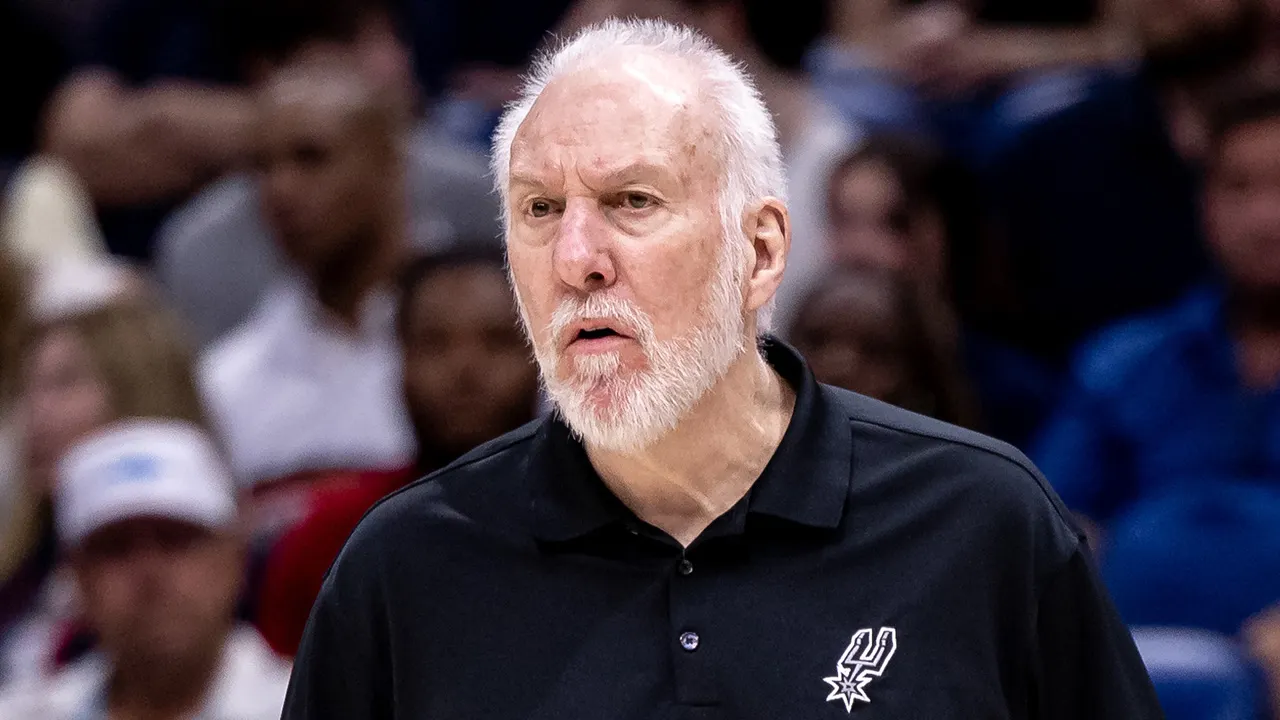
In the world of sports, few figures are as revered as Gregg Popovich, the head coach of the San Antonio Spurs. Known for his tactical brilliance and strong leadership, Popovich recently faced a significant health scare, suffering a stroke that raised concerns about his future in coaching and his personal well-being. However, his response to this challenge reveals not only his resilience but also his deep commitment to the Spurs organization and its loyal fanbase. This article delves into Popovich’s recovery journey, the broader implications of health in professional sports, and the inspiring lessons we can draw from his experience.
Understanding the Impact of Popovich’s Health Scare
Gregg Popovich’s stroke came as a shock not just to the Spurs, but to the entire basketball community. The 74-year-old coach, who has led the Spurs to five NBA championships and is a three-time NBA Coach of the Year, has been a pillar of stability in the franchise for over two decades. His sudden health issue prompted an outpouring of support from players, coaches, and fans alike, highlighting the profound impact he has had on those around him.
Upon reflecting on his health scare, Popovich emphasized the importance of mental and physical health, stating, “It’s a reminder that life is fragile and that we need to take care of ourselves and each other.” His words resonate deeply in an era where the pressures of professional sports can often overshadow the well-being of athletes and coaches alike.
Popovich’s Recovery Journey
Following his stroke, Popovich has embarked on a rigorous recovery journey. This process has involved not just physical rehabilitation, but also mental and emotional healing. Coaches and players alike have noted his determination to return to the sidelines, showcasing his resilience and passion for the game.
Physical Rehabilitation
Physical therapy plays a crucial role in recovery from a stroke. Popovich’s regimen likely includes:
- **Strength training** to regain mobility and coordination.
- **Speech therapy** if communication was affected.
- **Occupational therapy** to assist in daily activities and cognitive function.
Rehabilitation is often a long road, but Popovich’s commitment to his recovery has been unwavering. His regimen has been complemented by the support of his coaching staff and the Spurs organization, who have stepped up to ensure continuity in the team’s operations.
Mental and Emotional Aspects
Beyond physical challenges, recovering from a stroke often involves significant emotional hurdles. Many stroke survivors experience changes in mood, anxiety, and even depression. Recognizing these challenges, Popovich has likely sought to engage in activities that promote mental health:
- **Mindfulness practices** to enhance mental clarity and reduce stress.
- **Support groups** to connect with others who have faced similar experiences.
- **Counseling** to deal with the emotional fallout of such a life-altering event.
Popovich’s journey illustrates the importance of addressing mental health, not just in athletes but in everyone, especially following a traumatic health scare.
The Broader Implications of Health in Professional Sports
Popovich’s experience raises critical questions about health management in professional sports. The culture surrounding elite athletics often prioritizes performance over well-being, leading to high stress and burnout rates among coaches and players. The following aspects warrant consideration:
1. The Pressure of Performance
The competitive nature of professional sports can lead coaches to neglect their health. Popovich’s case serves as a reminder that even the most successful figures can face serious health challenges. It highlights the need for organizations to prioritize health and wellness programs.
2. Support Systems
Having a robust support system is vital for athletes and coaches alike. Popovich has benefited from a supportive Spurs organization, which emphasizes teamwork and collaboration. This raises awareness about the importance of fostering supportive environments in professional sports.
3. Mental Health Awareness
Popovich’s experience can catalyze discussions about mental health in sports. The stigma surrounding mental health issues often prevents individuals from seeking help. By being open about his struggles, Popovich can inspire others to prioritize their mental well-being.
Lessons from Popovich’s Journey
As Gregg Popovich continues to recover, several key lessons emerge from his journey that resonate beyond the basketball court:
- Resilience is key: Facing life’s challenges head-on can lead to growth and strength.
- Health must come first: Prioritizing physical and mental health is crucial for long-term success.
- Community matters: Support from friends, family, and colleagues plays a significant role in recovery.
Popovich’s unwavering commitment to his team even during his recovery serves as a testament to his character and leadership. His story is one of hope, resilience, and the importance of caring for oneself.
Conclusion
Gregg Popovich’s recovery journey from a stroke is not just a personal story; it is a profound narrative that speaks to the challenges faced by many in the world of professional sports. As he continues to heal, Popovich embodies resilience and commitment, serving as an inspiration to athletes and coaches alike. His experience underscores the critical need for a shift in how the sports community prioritizes health and well-being, paving the way for a more supportive environment in the future. As fans and followers of the Spurs eagerly await his return, Popovich’s legacy as a coach is further enriched by his ability to overcome adversity and inspire those around him.
See more Sky News Portal