Introduction
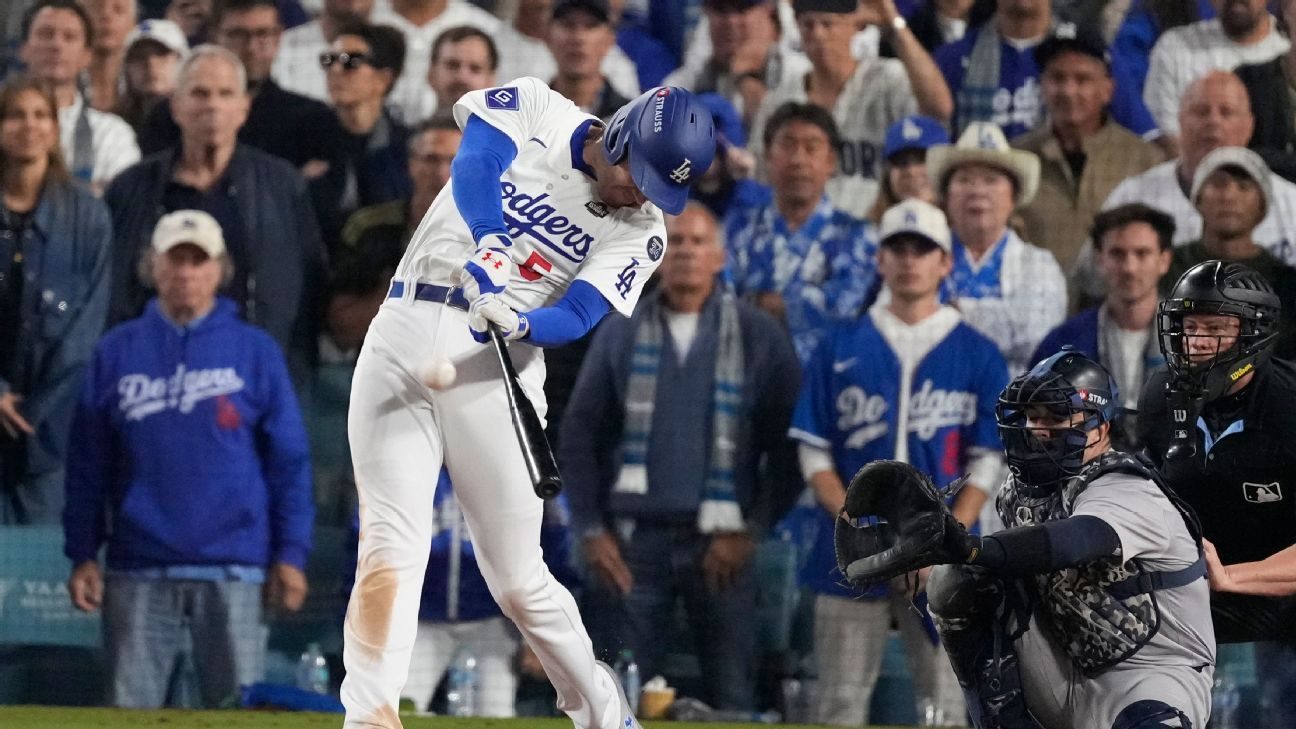
In a groundbreaking auction that has captivated sports fans and collectors alike, the baseball used by Freddie Freeman during his historic World Series walk-off grand slam has sold for an astonishing $1.56 million. This sale marks a new pinnacle in the world of sports memorabilia, highlighting the intersection of sports, history, and the burgeoning market for collectible items. Freeman’s grand slam not only clinched a crucial victory for his team but also etched his name deeper into the annals of baseball history, making the ball a coveted piece for collectors and enthusiasts. This article delves into the significance of this sale, the implications for the sports memorabilia market, and the broader cultural context surrounding such collectibles.
The Significance of the Sale
The sale of Freeman’s grand slam ball is more than just a financial transaction; it is a testament to the cultural and emotional weight that sports moments carry. The World Series is the pinnacle of baseball, and a walk-off grand slam in such a high-pressure environment is a rarity that elevates the moment to legendary status. This particular ball, therefore, symbolizes not just a player’s achievement but also the collective memory of fans who witnessed the event.
Historical Context
Freddie Freeman’s grand slam occurred during the 2021 World Series, a series that saw the Atlanta Braves claim the championship title. The Braves’ victory was particularly significant as it ended a 26-year championship drought for the franchise. The moment Freeman hit that dramatic grand slam, the crowd erupted, and the Braves solidified their place in baseball history. Collectors are often drawn to items that represent pivotal moments in sports history, and this ball encapsulates a high-stakes triumph that will be remembered for generations.
Market Trends in Sports Memorabilia
The sale price of $1.56 million for Freeman’s grand slam ball is indicative of a larger trend in the sports memorabilia market. In recent years, there has been a noticeable surge in interest and investment in collectible sports items, driven by several factors:
- Increased Online Auctions: Platforms like eBay and specialized auction houses have made it easier for collectors to buy and sell items, expanding the market.
- Celebrity Culture: The rise of social media has amplified the visibility of sports figures, creating a cultural phenomenon where fans seek tangible connections to their idols.
- Investment Potential: Many collectors view sports memorabilia as a viable alternative investment, often appreciating in value over time.
- Emotional Attachment: Fans often desire keepsakes from significant sporting events, creating a market for items that evoke nostalgia and pride.
The Role of Auctions in Valuing Memorabilia
Auction houses play a pivotal role in establishing the value of sports memorabilia. The competitive nature of auctions can drive prices up dramatically, as collectors vie for ownership of rare items. In this case, the auction for Freeman’s ball was likely fueled by the emotional resonance of the moment, as well as the rarity of walk-off grand slam balls in World Series history.
Factors Influencing Auction Prices
Several key factors can influence the final sale price of sports memorabilia at auction:
- Provenance: Items with a clear history of authenticity and ownership tend to fetch higher prices.
- Condition: The physical state of the item is crucial; well-preserved items are more desirable.
- Market Demand: The popularity of the player, the team, and the specific moment can greatly affect interest and bidding activity.
- Rarity: Unique items or those from significant historical moments command a premium.
Broader Implications for Sports Culture
The astronomical sale of Freeman’s grand slam ball raises questions about the future of sports memorabilia and its place in American culture. As prices soar, the accessibility of such collectibles may diminish, potentially pushing passionate fans out of the market.
Accessibility vs. Exclusivity
With the increasing prices of sports memorabilia, a divide may form between casual fans and serious collectors. This could lead to a scenario where only the wealthy can afford to own pieces of sports history, diminishing the connection that average fans have with their favorite teams and players. Furthermore, the trend of investing in sports collectibles as financial assets may overshadow the emotional and cultural significance that these items hold for many fans.
Impact on Future Generations
As the market for sports memorabilia continues to grow, it will be interesting to observe how future generations of fans perceive and engage with these items. Will they see them as mere investments, or will they continue to hold the same emotional and nostalgic value? The answer may shape the future of sports culture and how we celebrate athletic achievements.
Conclusion
The sale of Freddie Freeman’s World Series walk-off grand slam ball for $1.56 million not only sets a new benchmark for sports memorabilia but also reflects the evolving landscape of sports and collectors. This monumental sale underscores the emotional and cultural significance of sports moments, while also highlighting the complexities of the memorabilia market. As we look to the future, it is crucial for collectors, fans, and the sports community to navigate the balance between accessibility and exclusivity, ensuring that the rich tapestry of sports history remains available and meaningful for all enthusiasts. The fervor surrounding such auctions will continue to shape perceptions of sports, history, and the value we assign to the moments that define our favorite games.
See more Sky News Portal