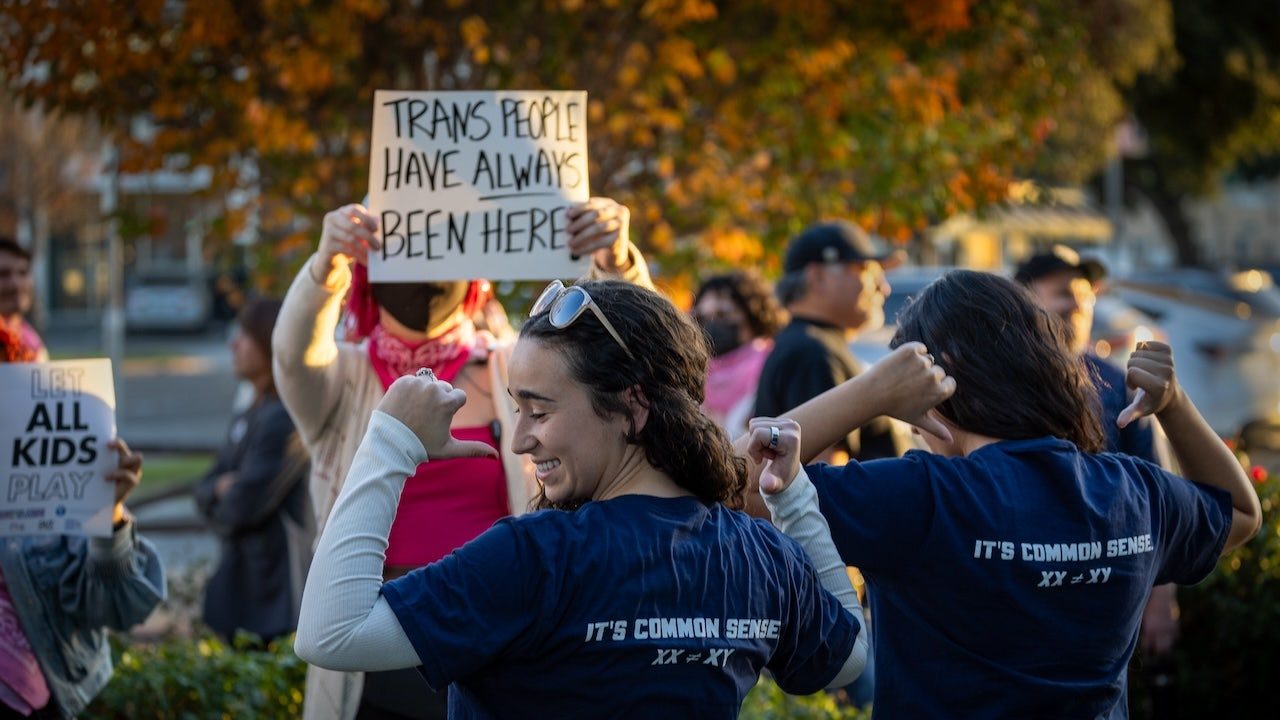
Majority of Democrats Voice Opposition to Transgender Athletes in Women’s Sports
In a surprising turn of events, a recent poll conducted by The New York Times has revealed a significant shift in perspectives among Democrats regarding the participation of transgender athletes in women’s sports. This change highlights a complex and evolving discourse surrounding gender identity, fairness in sports, and the implications for both athletes and the broader society. The findings of this poll prompt a closer examination of the factors contributing to this shift, the implications for sports and policy, and the broader cultural context in which these conversations are taking place.
The Poll Results: A Breakdown of Opinions
The New York Times poll indicated that a majority of Democrats now express opposition to allowing transgender women to compete in women’s sports. This marks a notable departure from previous views held by many within the party, who had largely supported transgender rights and inclusion in sports. The poll results showed that:
- 54% of respondents opposed transgender women competing in women’s sports.
- 42% supported the inclusion of transgender women in women’s sports.
- The division in opinion was more pronounced among different demographics, with younger Democrats showing more support than older generations.
This shift in opinion raises critical questions about the evolving landscape of sports and gender identity. What could have led to this change, and what does it mean for the future of athletics in America?
Understanding the Shift: Factors at Play
Several factors may have contributed to the changing attitudes among Democrats regarding transgender athletes in women’s sports:
- Increased Visibility and Media Coverage: The issue of transgender athletes has gained significant media attention over recent years. High-profile cases, such as that of Lia Thomas, a transgender swimmer who competed for the University of Pennsylvania, have sparked widespread debate and discussion.
- Concerns Over Fairness: Many Democrats now express concerns about the fairness of competition. Critics argue that transgender women may have physical advantages over cisgender women, impacting the integrity of women’s sports.
- Changing Cultural Narratives: The growing acceptance of transgender rights has been paralleled by a backlash against perceived excesses in the movement. Some individuals, even within progressive circles, are beginning to question the implications of prioritizing gender identity over biological sex in competitive sports.
Implications for Sports and Policy
This shift among Democrats could have significant implications for policy decisions at various levels, including local, state, and national sports organizations. Some potential consequences include:
- Policy Revisions: As public opinion shifts, sports governing bodies may feel compelled to revise their policies regarding transgender athletes, potentially leading to more stringent rules or classifications.
- Legislative Actions: Lawmakers may introduce bills to regulate the participation of transgender athletes in school and collegiate sports, which could lead to further legal challenges and public debate.
- Impact on Athletes: Depending on how policies evolve, transgender athletes may face increased scrutiny and challenges in their pursuit of competitive sports.
Broader Cultural Context
The changing perspectives within the Democratic Party reflect broader cultural conversations about gender, identity, and equity. As society grapples with these complex issues, it’s essential to consider various perspectives:
- Empathy for Transgender Athletes: While fairness is a legitimate concern, it’s crucial to approach discussions about transgender athletes with empathy. Many of these individuals face significant challenges and discrimination, and sports can provide a vital sense of community and belonging.
- Defining Gender Identity: The definitions of gender and sex are increasingly debated in various spheres. Understanding the nuances of these definitions is crucial for having informed discussions about sports and inclusion.
- Future of Women’s Sports: Advocates for women’s sports argue that the integrity of female competitions must be protected. Striking a balance between inclusion and fairness will require ongoing dialogue and collaboration among stakeholders.
What Lies Ahead? A Call for Dialogue
The majority of Democrats voicing opposition to transgender athletes in women’s sports signals a pivotal moment in the ongoing conversation about sports and gender identity. As society continues to evolve, it’s crucial to foster respectful and constructive dialogue around these issues. Here are some steps that can help:
- Encouraging Open Conversations: Stakeholders in the sports community, including athletes, coaches, and policymakers, must engage in open and honest discussions about the implications of including transgender athletes in women’s sports.
- Research and Data Collection: More research is needed to understand the physiological differences and their impact on competitive fairness. Data-driven discussions can help inform policies that are both fair and inclusive.
- Building Bridges: Finding common ground among various interest groups can pave the way for solutions that respect the rights and dignity of all athletes, regardless of gender identity.
Conclusion
The results of the New York Times poll revealing that the majority of Democrats voice opposition to transgender athletes in women’s sports marks a significant shift in perspectives that deserves attention. As the landscape of sports continues to change, it is imperative to navigate these discussions with care, empathy, and a commitment to fairness. Only through ongoing dialogue and a willingness to understand differing viewpoints can we hope to create an inclusive environment that honors both the spirit of competition and the rights of all athletes.
See more Sky News Portal