Controversy on the Gridiron: A Closer Look at Officiating and Its Impact on College Football
In the world of college football, few rivalries ignite passion and scrutiny like the annual clash between the Navy Midshipmen and the Army Black Knights. This year’s game was no exception, as a controversial penalty against Navy’s star player not only overshadowed the pivotal moments of the match but also ignited a fierce debate about officiating standards in college football. A leading college football analyst has taken a firm stance, criticizing referees for their decision during a crucial touchdown drive, raising broader questions regarding the consistency and accountability of officiating in the sport.
The Incident: What Happened on the Field?
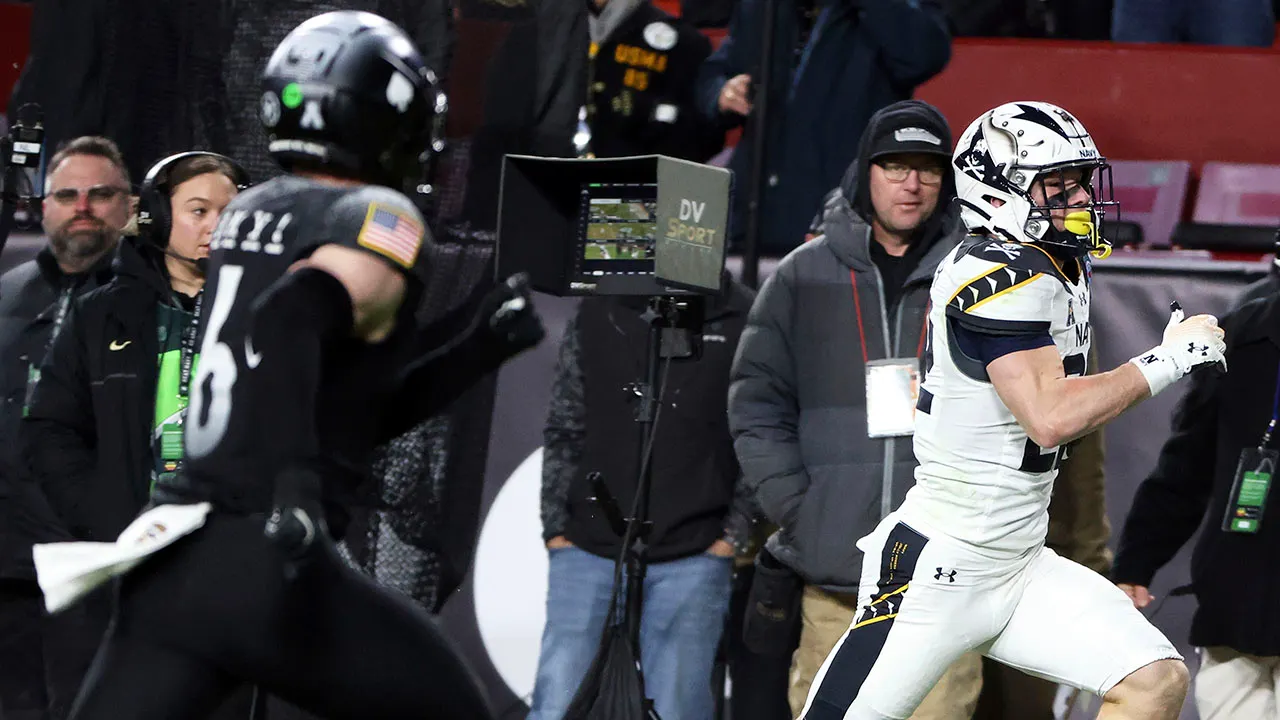
During a high-stakes moment of the game, Navy found themselves on the verge of scoring a vital touchdown that could shift the momentum in their favor. As the play unfolded, a penalty was called against Navy’s star player, which analysts and fans alike deemed questionable at best. The penalty not only negated the potential touchdown but also significantly impacted the game’s outcome, as Navy ultimately fell short against their arch-rivals, Army.
The analyst’s criticism centers on the nature of the penalty, suggesting that it was a “game-changing” call that did not align with the spirit of the game. This incident highlights a growing frustration among fans, players, and coaches regarding the inconsistency of officiating in college football.
The Broader Implications of Officiating in College Football
Officiating in college football has always been a hot topic, but the recent incident has brought to light several key issues that warrant further exploration:
- Inconsistency in Penalty Calls: One of the most pressing concerns is the inconsistency of penalty calls made by referees. Different officiating crews may interpret rules differently, leading to confusion and frustration among teams and fans.
- Accountability of Officials: Unlike professional leagues, where referees are held to a higher standard and face consequences for poor performance, college officials often operate with a lack of accountability. This can lead to a perception of impunity, where questionable calls go unexamined.
- The Role of Technology: With advancements in technology, many argue that college football should adopt more comprehensive replay systems. While the NCAA has made strides in this area, critics argue that the current system is still inadequate for addressing egregious errors in officiating.
- Impact on Player Performance: Players are acutely aware of the implications of officiating decisions. A controversial penalty can shift momentum and alter the psyche of a team, potentially affecting performance in critical moments.
Voices from the Field: Reactions from Players and Coaches
In the aftermath of the controversial penalty, both Navy players and coaching staff expressed their dissatisfaction. Navy head coach Ken Niumatalolo commented on the need for clearer guidelines and more consistent officiating, suggesting that players should not have to worry about the potential for questionable calls impacting their game.
Similarly, Navy’s star player, who was directly affected by the call, spoke candidly about the frustrations of competing under such uncertain officiating standards. He emphasized the importance of fairness and the integrity of the game, noting that players should be able to focus on their performance rather than the unpredictability of penalties.
Analyzing the Referee’s Perspective
While players and analysts have voiced their concerns, it is essential to consider the perspective of the officials themselves. Referees are tasked with making split-second decisions in high-pressure environments, often with limited information. The NCAA provides officials with training and guidelines, but the subjective nature of many rules can lead to varying interpretations. Moreover, the physical demands of officiating a college football game can be immense, with referees needing to maintain focus and stamina throughout the contest.
Nonetheless, the debate persists: how can the officiating process be improved to minimize controversial calls and enhance the overall integrity of the game? Some proposed solutions include:
- Enhanced Training Programs: Referee training should be continually updated to reflect the evolving nature of the game and its rules.
- Increased Use of Replay and Technology: Expanding the scope of replay reviews can help address and correct egregious officiating errors in real-time.
- Establishing Clear Guidelines and Accountability: Setting clear standards for officiating and holding referees accountable for their performance can foster greater consistency.
The Impact of Social Media and Public Perception
In today’s digital age, the impact of social media on sports cannot be overstated. The controversial penalty was quickly dissected and debated across various platforms, amplifying the voices of critics and supporters alike. Social media has allowed fans to share their opinions instantly, creating a vibrant dialogue about officiating standards in college football.
While this democratization of commentary can lead to increased awareness of officiating issues, it can also contribute to a toxic environment where officials are vilified and scrutinized extensively. Balancing this discourse is crucial; while accountability is necessary, it’s equally important to recognize the challenges officials face in their roles.
Conclusion: The Future of Officiating in College Football
The controversy surrounding the Navy- Army game serves as a microcosm of the larger issues facing college football officiating. As the sport continues to grow and evolve, addressing the concerns of inconsistency, accountability, and technology in officiating is paramount. The NCAA must consider reforms that not only enhance the quality of officiating but also restore faith in the integrity of the game.
Ultimately, the goal should be to create an environment where players can compete fairly and fans can enjoy the game without the cloud of officiating controversies overshadowing the action on the field. As the debate continues, one thing is clear: the future of college football will depend significantly on the evolution of its officiating standards.
See more Sky News Portal