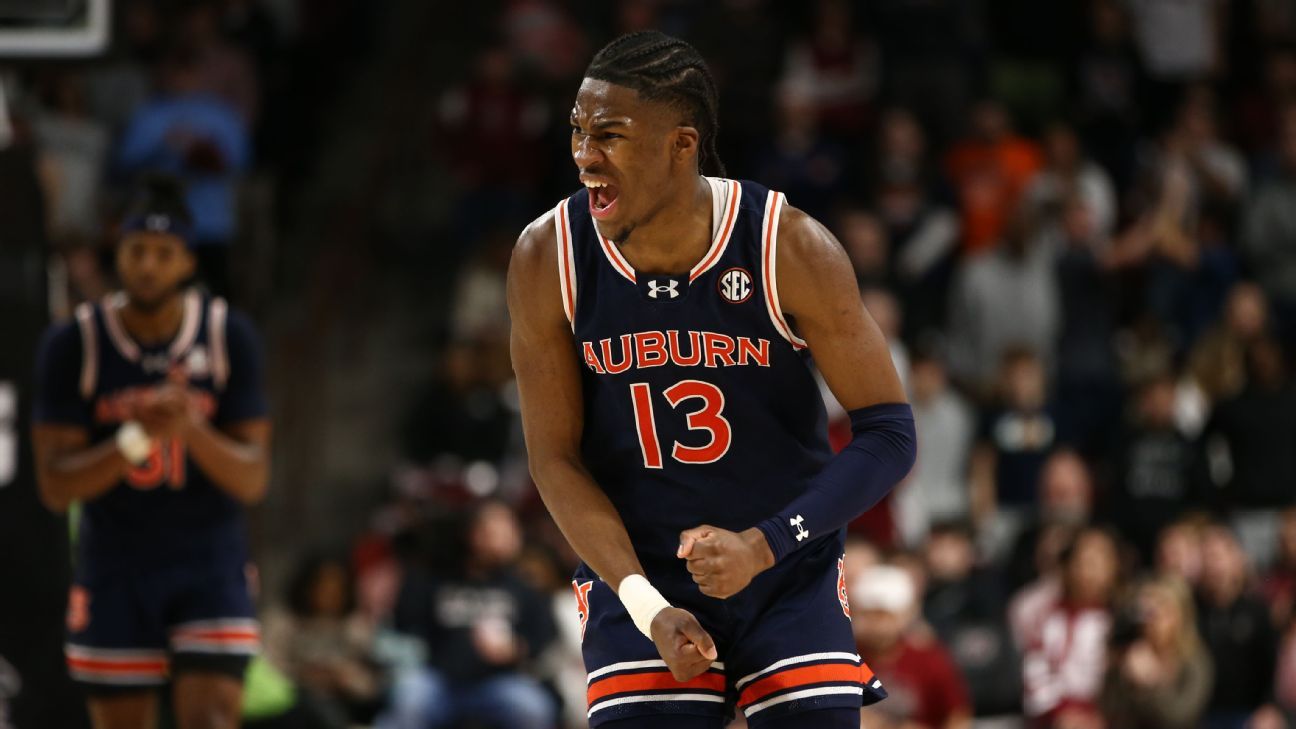
As the latest AP men’s college basketball poll reveals its Top 25 teams, the excitement surrounding the season heightens. Each of these teams is not only vying for national recognition but also strategizing their paths to maintain or improve their standings in an ever-competitive landscape. This article delves into the current state of these teams, examining their strengths, weaknesses, and potential strategies as they navigate the future of college basketball.
The Landscape of College Basketball
College basketball is a dynamic and unpredictable sport. Each season brings a fresh wave of talent, coaching changes, and unexpected upsets. The AP Top 25 is a reflection of this shifting landscape, showcasing teams that have proven their mettle on the court while also hinting at the challenges they will face moving forward.
As we explore the implications of the AP rankings, it’s crucial to understand the factors that contribute to a team’s success. From player development and recruiting strategies to in-game tactics and injury management, various elements come into play. Moreover, the evolving nature of the sport, including the impact of the transfer portal and NIL (Name, Image, and Likeness) deals, has transformed how teams build and maintain their rosters.
Key Factors for Success in the Top 25
To effectively navigate the future, teams within the AP Top 25 must focus on several critical areas:
- Player Development: Strong programs emphasize the growth of their players, not just in skill but also in understanding the game. Coaches need to invest time in developing both offensive and defensive strategies that suit their players’ strengths.
- Recruitment Strategies: With a pool of talent that grows each year, teams must refine their recruitment techniques. This includes scouting potential recruits early and building relationships with high school coaches to secure top prospects.
- Injury Management: Injuries can derail a season in the blink of an eye. Teams must have robust medical and training staff to ensure players are in optimal condition throughout the grueling season.
- Adapting to Trends: The modern game is constantly evolving. Teams must stay ahead of trends, such as the increased emphasis on three-point shooting and the importance of versatile players who can adapt to multiple positions.
Team Profiles: Strategies for the Top 25
Examining some of the current teams in the AP Top 25 reveals how they are positioning themselves for success:
1. Team A
Currently ranked in the Top 5, Team A has a balanced roster filled with experienced upperclassmen and talented freshmen. Their strategy hinges on:
- Utilizing a fast-paced offense to exploit their depth and speed.
- Focusing on defensive intensity, particularly in transition scenarios.
- Building chemistry among players through extensive practice and team-building activities.
2. Team B
As a mid-ranked team, Team B is looking to climb the rankings. Their path involves:
- Strengthening their home court advantage with a raucous fan base.
- Implementing a more structured offensive scheme to enhance shot selection.
- Investing in player fitness to mitigate injury risks as the season progresses.
3. Team C
Ranked lower but with great potential, Team C’s strategy focuses on:
- Maximizing the use of their bench to maintain energy levels throughout games.
- Targeting specific weaknesses in opposing teams through tailored game plans.
- Encouraging player leaders to step up and guide the younger athletes.
The Role of Coaching in Team Trajectories
Coaching remains one of the most critical elements in shaping a team’s fate. The best coaches not only devise effective game plans but also motivate players to reach their fullest potential. They need to be adept at:
- Adapting strategies based on player performance and opponent analysis.
- Instilling a winning mentality that transcends individual talent.
- Maintaining open lines of communication with players to foster trust and accountability.
Moreover, with the increasing complexity of the game, coaches must continually educate themselves on new strategies, technology, and player psychology to stay competitive.
Challenges Ahead for the Top 25 Teams
Despite their current standings, teams within the AP Top 25 face numerous challenges that could impede their paths to success:
- Increased Competition: As teams invest more in their programs, the level of competition rises. Every game becomes a battle, and upsets are more frequent.
- Injury Concerns: The risk of injuries remains a constant threat. Teams must be proactive in injury prevention and management.
- NIL Implications: With the introduction of NIL deals, maintaining team cohesion can be challenging as players navigate personal branding alongside team goals.
Looking Forward: The Future of College Basketball
As we look to the future of college basketball, it’s clear that the landscape will continue to evolve. The AP men’s college basketball Top 25 teams are at the forefront of this evolution, and their strategies will dictate their success. By focusing on player development, recruitment, and adapting to trends, these teams can not only navigate their current challenges but also thrive in the competitive arena of college basketball.
Ultimately, the journey of each team is unique, shaped by its culture, coaching, and commitment to excellence. As fans, we can anticipate thrilling matchups and inspiring stories emerging from the ranks of these Top 25 teams. The excitement of college basketball is not just about the present but also the promise of what lies ahead.
See more Sky News Portal