Introduction
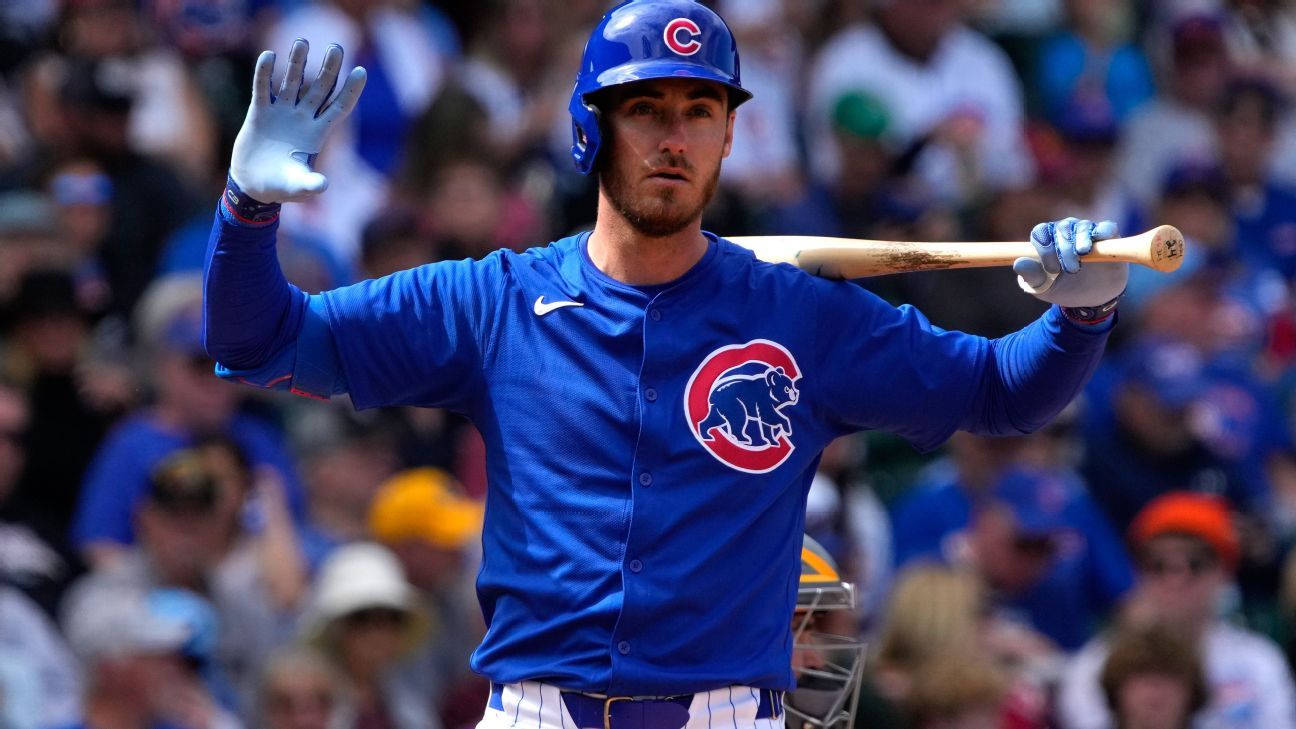
In a bold and unexpected maneuver, the New York Yankees have secured the services of star outfielder Cody Bellinger from the Chicago Cubs. This high-stakes trade, which has sent shockwaves through Major League Baseball (MLB), is a clear indication of the Yankees’ intent to reassert their dominance in the league. As the 2024 season approaches, this strategic move raises numerous questions and opens up discussions about the implications for both teams involved, as well as for the league as a whole.
The Trade Details
The trade, confirmed late last week, sees Cody Bellinger join the Yankees in exchange for a package that includes minor league prospects and a significant portion of Bellinger’s remaining salary. While the Cubs have not disclosed the exact terms, it’s widely speculated that the Yankees have given up promising young talent to acquire the 28-year-old slugger.
Bellinger, who burst onto the scene with the Los Angeles Dodgers, winning the NL MVP in 2019, has struggled in recent years but showed signs of resurgence during his tenure with the Cubs. In the 2023 season, he posted impressive numbers, including a .300 batting average, 30 home runs, and 75 RBIs, contributing to the Cubs’ competitive push in the National League Central. His ability to play both center field and first base adds significant versatility to the Yankees’ lineup.
Implications for the Yankees
For the Yankees, this trade represents a calculated risk aimed at enhancing their offensive capabilities. With a lineup that has been inconsistent in recent seasons, Bellinger’s power and speed could be pivotal in improving the team’s performance. The Yankees have long been known for their potent batting order, and adding Bellinger could help address their need for a reliable outfielder and a consistent run producer.
Moreover, Bellinger’s presence in the outfield allows Aaron Judge to focus more on his role as a designated hitter, potentially extending his career and reducing the risk of injury. This alignment could create a powerful middle of the order, especially when combined with other key players like Giancarlo Stanton and Gleyber Torres.
Strategic Fit and Potential Impact
Bellinger’s left-handed bat is particularly valuable in Yankee Stadium, known for its short right-field porch. His ability to hit for both power and average complements the Yankees’ existing hitters and could lead to increased run production. Additionally, his defensive skills bolster the Yankees’ outfield, providing a much-needed upgrade in run prevention.
From a strategic standpoint, this trade may also signify a longer-term vision for the Yankees. With several key players poised to enter free agency soon, Bellinger’s contract status makes him a potentially integral part of their future plans, especially if he can recapture his MVP form. The Yankees are not just focused on the current season; they are looking to build a sustainable competitive roster.
The Cubs’ Perspective
While the Yankees celebrate their new acquisition, the Chicago Cubs find themselves at a crossroads. Bellinger was a cornerstone of their lineup, and trading him indicates a shift in strategy for the franchise. The Cubs, who have been in a rebuilding phase, appear to be prioritizing youth and long-term potential over immediate success.
By trading Bellinger, the Cubs are likely focusing on acquiring prospects who can be developed into future stars. This aligns with their recent strategy of investing in young talent and is evidenced by their previous trades and draft picks. The Cubs are betting on the development of these young players to return to playoff contention in the coming years.
Broader Implications for MLB
This trade has broader implications for Major League Baseball as a whole. It highlights the ongoing trend of teams either going all-in for immediate success or opting for a rebuild. The Yankees’ move is a clear signal that they are not willing to accept mediocrity after several seasons of underperformance, while the Cubs are embracing a more calculated approach to building their roster.
- Competitive Balance: The trade could impact the competitive balance within the league, especially in the American League East, where the Yankees will now pose an even greater threat to their rivals.
- Market Dynamics: The move could influence other teams to reconsider their own strategies, either by making bold trades or by reassessing their roster configurations in response to the Yankees’ bolstered lineup.
- Fan Engagement: For Yankees fans, Bellinger’s arrival brings renewed hope and excitement, while Cubs fans may experience a mix of disappointment and optimism for the future.
Looking Ahead
As the 2024 season approaches, all eyes will be on Cody Bellinger and the New York Yankees. Will he live up to the expectations set by his past performances, or will he continue to face challenges at the plate? Similarly, how will the Cubs’ strategy play out as they integrate their new prospects into the lineup? Only time will tell how this trade reshapes the landscape of MLB.
Conclusion
The trade of Cody Bellinger to the New York Yankees is a pivotal moment in the offseason, carrying significant implications for both the Yankees and the Cubs. For the Yankees, it represents a chance to reclaim their status as a perennial contender, while for the Cubs, it signals a commitment to rebuilding and developing young talent. As the new season looms, the ramifications of this trade will be closely monitored by fans and analysts alike, highlighting the ever-evolving dynamics of Major League Baseball.
See more Sky News Portal