Rudy Giuliani’s Son Takes the Helm of 2026 World Cup Task Force
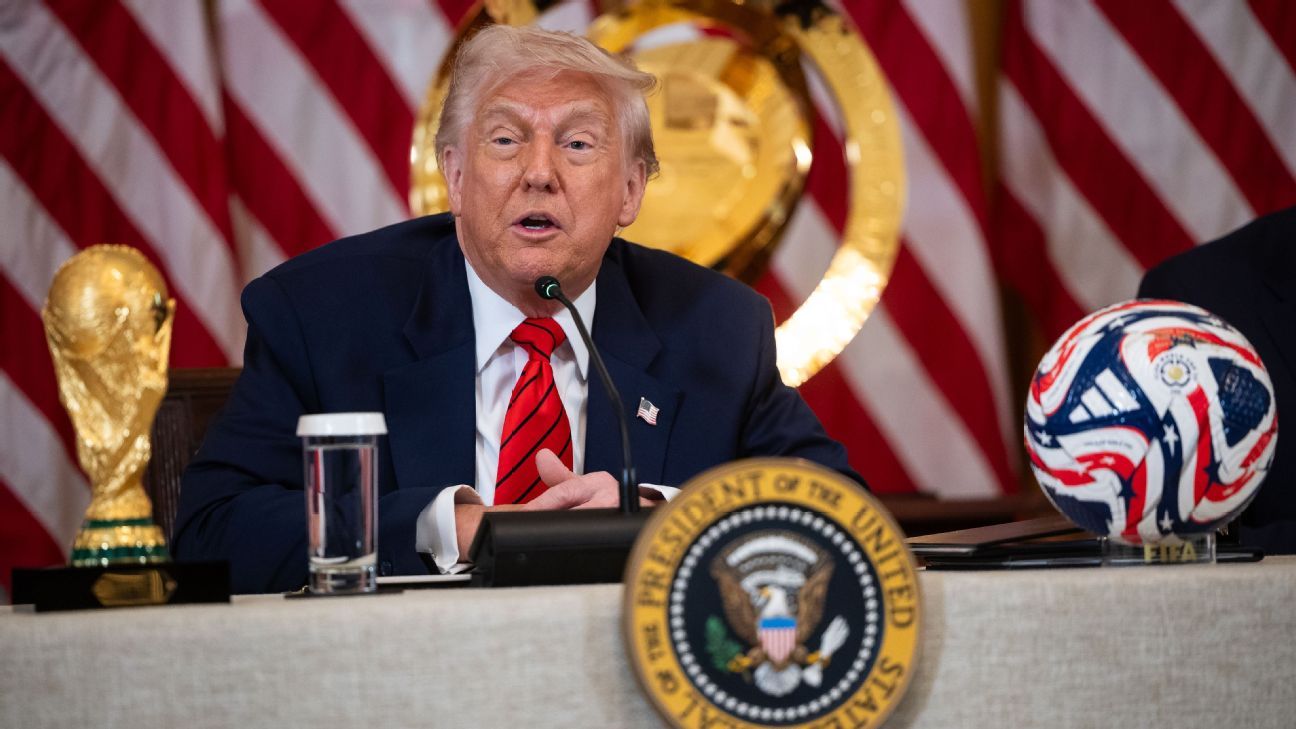
In a move that has sparked both intrigue and controversy, former President Donald Trump has appointed Andrew Giuliani, son of former New York City Mayor Rudy Giuliani, to lead the task force overseeing preparations for the 2026 FIFA World Cup. The decision, announced on June 15, 2024, places a politically connected figure with limited sports management experience at the center of one of the world’s largest sporting events, raising questions about potential conflicts of interest and the politicization of international soccer.
A Surprise Appointment With Political Undertones
The 2026 World Cup, jointly hosted by the United States, Canada, and Mexico, represents the most ambitious tournament in FIFA’s history. With 48 teams competing across 16 host cities, the event requires meticulous coordination between governments, sports organizations, and private entities. Andrew Giuliani’s appointment comes as a surprise to many in the sports world, given his background primarily in politics rather than sports administration.
“This is uncharted territory for World Cup leadership,” remarked sports governance expert Dr. Elena Martinez of Georgetown University. “While political connections have always played a role in mega-events, we’ve rarely seen such direct family ties to controversial political figures in tournament management positions.”
Key facts about the appointment:
- Andrew Giuliani previously served as a White House aide during the Trump administration
- The 2026 World Cup will be the first to feature 48 teams, up from 32
- Projected economic impact for North America exceeds $5 billion
- 16 host cities span three countries with varying infrastructure needs
Mixed Reactions From the Soccer Community
The announcement has drawn polarized responses from stakeholders. Supporters argue Giuliani’s political connections could streamline bureaucratic processes, while critics worry about potential conflicts with FIFA’s stated commitment to keeping politics out of sports.
Former US Soccer Federation president Sunil Gulati offered measured commentary: “The World Cup task force needs someone who can navigate complex international relationships. Whether Mr. Giuliani is that person remains to be seen. His success will depend on assembling the right technical team around him.”
Meanwhile, several host cities have expressed cautious optimism. A spokesperson for the Philadelphia host committee noted: “We’re focused on delivering an exceptional experience for fans and players. The leadership structure is less important than the results.”
Potential Challenges and Controversies
Giuliani inherits several pressing challenges as he assumes leadership:
- Coordinating security protocols across three nations
- Managing infrastructure upgrades in host cities
- Balancing commercial interests with fan accessibility
- Addressing human rights concerns raised by various advocacy groups
The appointment also revives debates about the intersection of politics and sports. FIFA’s own statutes prohibit political interference in member associations, yet the organization has remained silent on Giuliani’s appointment. This silence has drawn criticism from transparency advocates.
“FIFA reformed its governance after the 2015 corruption scandal,” noted investigative journalist Mark Siegel. “This appointment tests whether those reforms were substantive or merely cosmetic when political allies are involved.”
Historical Context and Precedents
While political figures have often been involved in World Cup planning, the direct appointment of a political operative’s relative to lead the task force is unprecedented. Previous tournaments have typically been managed by:
- Career sports administrators (Russia 2018)
- Business leaders with event experience (Brazil 2014)
- Former athletes (USA 1994)
The 2026 tournament already breaks tradition as the first three-nation host. Adding a politically connected leader further distinguishes this World Cup from its predecessors.
What This Means for the 2026 Tournament
Observers identify several potential implications of this leadership choice:
Potential Advantages:
- Streamlined government coordination in US host cities
- Strong White House access for resolving bureaucratic hurdles
- Potential to leverage political relationships for sponsorship deals
Potential Risks:
- Perception of politicization may deter some international partners
- Limited soccer-specific experience could hinder technical decisions
- Possible conflicts with FIFA’s apolitical stance
Sports economist Darren Rovell points out: “The real test will come when difficult decisions must be made between political interests and tournament needs. Will the task force prioritize what’s best for soccer or what serves political allies?”
Looking Ahead: Key Milestones and Challenges
With two years remaining until kickoff, Giuliani’s task force faces immediate pressure to:
- Finalize venue-specific operational plans by Q3 2024
- Coordinate cross-border security protocols by early 2025
- Launch ticket sales and hospitality packages in 2025
- Implement sustainability initiatives across all host cities
The coming months will prove crucial for demonstrating whether this unconventional leadership choice can deliver a successful tournament. As Dr. Martinez observes: “The world will be watching not just the games, but how this administration handles the complex diplomacy of a three-nation World Cup.”
For fans concerned about the politicization of the tournament, the best course of action is to stay informed through official FIFA channels and host city updates. The true impact of this appointment will become clearer as preparations advance toward 2026.
See more Sky News Portal