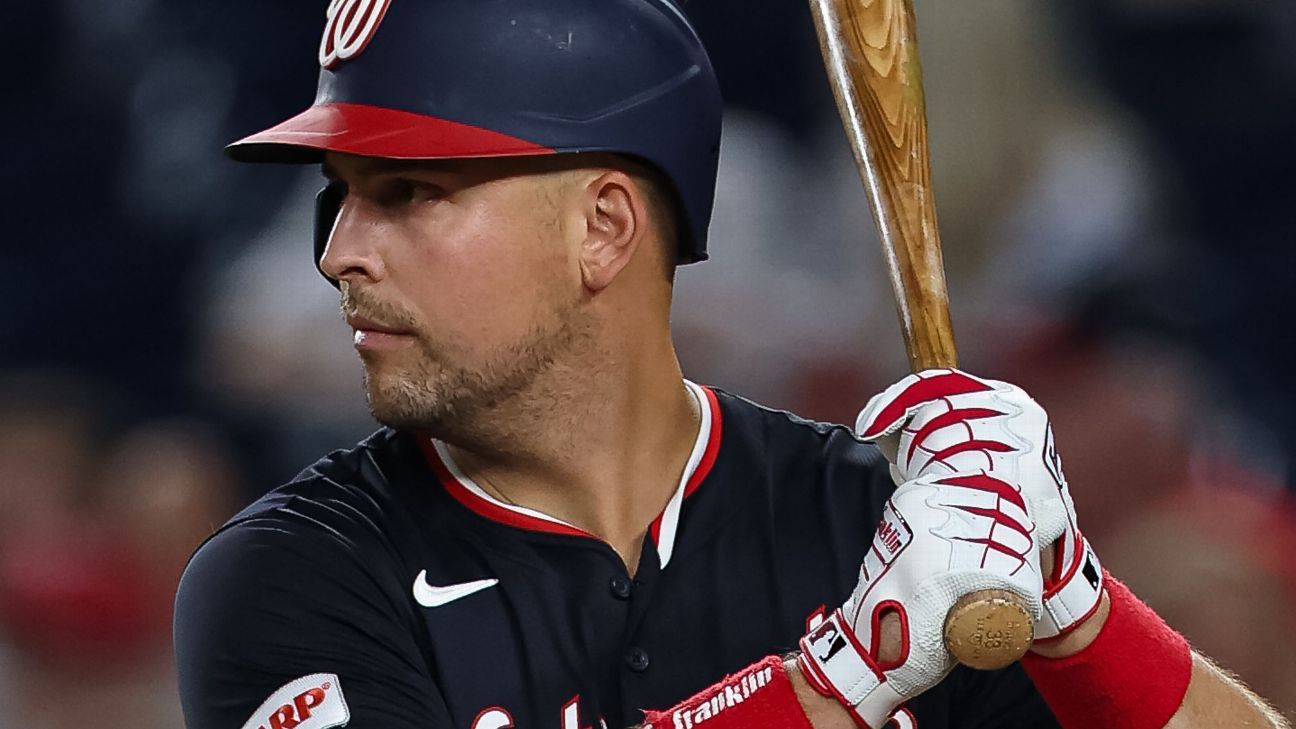
Ichiro Suzuki Seeks Dialogue with Hall of Fame Voter Over Unanimous Induction Controversy
Ichiro Suzuki, the iconic Japanese baseball player, has once again captured the attention of the baseball world—not for his legendary statistics or his on-field heroics, but for a surprising outreach to a Hall of Fame voter responsible for his non-unanimous induction. This unexpected move raises significant questions about the Hall of Fame voting process and the profound impact that individual votes can have on a player’s legacy. As the baseball community reflects on this incident, it becomes clear that Ichiro’s actions extend beyond personal interests and delve into broader issues surrounding recognition, respect, and the nature of legacy in sports.
The Induction That Wasn’t Unanimous
Achieving a spot in the Baseball Hall of Fame is a significant milestone for any player. For Ichiro Suzuki, who retired with a staggering 3,089 hits in Major League Baseball and numerous accolades—including the 2001 American League MVP award—his induction in 2022 was a moment of celebration. However, it was tempered by the fact that he did not receive unanimous support from Hall of Fame voters, a distinction that has become a point of contention.
In the world of sports, unanimous votes are often seen as the gold standard, a testament to a player’s extraordinary talent and impact on the game. The fact that Ichiro, a player celebrated globally, fell short of this honor has prompted discussions about the voting criteria and the subjective nature of the selection process.
Ichiro’s Outreach: A Call for Understanding
In a surprising twist, Ichiro Suzuki reached out to the Hall of Fame voter who cast the lone dissenting ballot against his unanimous induction. This dialogue is not merely an attempt to seek validation or to change the voter’s mind; it represents a deeper desire for understanding and connection. Ichiro’s decision to engage in conversation reflects his commitment to the sport and his respect for the voting process, even when it doesn’t go in his favor.
By initiating this dialogue, Ichiro aims to foster a greater understanding of the nuances that come with Hall of Fame voting. It highlights the importance of communication in sports, where the stakes are high and emotions can run deep. Moreover, it underscores the idea that athletes are not just statistics or records; they are individuals with stories, struggles, and aspirations.
The Role of Voters in Shaping Legacies
The Hall of Fame voting process is complex and often contentious. Voters, comprised of esteemed sportswriters and broadcasters, are tasked with evaluating players based on their careers, achievements, and overall contributions to the game. Yet, this process is inherently subjective, leading to varied interpretations of what constitutes a “Hall of Fame” player.
- Historical Context: Voters bring their own biases and experiences to the table, which can influence their decisions. For instance, some may weigh individual statistics more heavily, while others might focus on championships won.
- Transparency Issues: The lack of transparency in the voting process can lead to speculation and controversy, as fans and players alike scrutinize the reasoning behind each vote.
- Impact on Legacy: A player’s legacy can be significantly impacted by a single vote. In Ichiro’s case, his non-unanimous induction raises questions about how future generations will perceive his contributions to baseball.
Ichiro’s outreach serves as a reminder that the voting process is not just about numbers; it’s about legacy, respect, and the collective memory of the sport.
Broader Implications for the Game
The controversy surrounding Ichiro Suzuki’s induction also touches on broader themes within baseball and sports at large. The dialogue initiated by Ichiro may inspire other players to engage with voters and seek clarity on their decisions. This could pave the way for a more open and constructive conversation about the Hall of Fame and what it represents.
Moreover, Ichiro’s actions could prompt a reevaluation of the voting process itself. As the landscape of baseball evolves, so too should the criteria by which players are judged. This could include:
- Incorporating Advanced Metrics: As analytics become more prevalent in sports, it may be beneficial for voters to consider advanced statistics and metrics that provide a fuller picture of a player’s contributions.
- Encouraging Diversity Among Voters: A more diverse voting body could lead to a broader range of perspectives, enriching the decision-making process.
- Fostering Dialogue: Encouraging ongoing conversations between players, voters, and fans can build a more inclusive environment that honors the history and future of the game.
Conclusion: A Step Toward Unity
Ichiro Suzuki’s decision to reach out to the voter who withheld unanimous support from his Hall of Fame induction is a bold and commendable move. It symbolizes a desire for dialogue and understanding in a world where achievements can sometimes be overshadowed by the opinions of a few. By taking this step, Ichiro not only advocates for himself but also for the integrity of the Hall of Fame and the players who aspire to join its ranks.
As baseball continues to evolve, the lessons learned from this controversy can help shape a future where recognition is not just about numbers but also about the stories behind them. Ichiro’s journey is a testament to the idea that even in moments of disappointment, there exists an opportunity for growth, understanding, and ultimately, unity within the sport.
In the end, Ichiro Suzuki’s quest for dialogue illustrates the power of communication in fostering respect and understanding in sports—a lesson that resonates far beyond the diamond.
See more Sky News Portal