Grant DuBose Hospitalized: A Closer Look at Head Injuries in Football
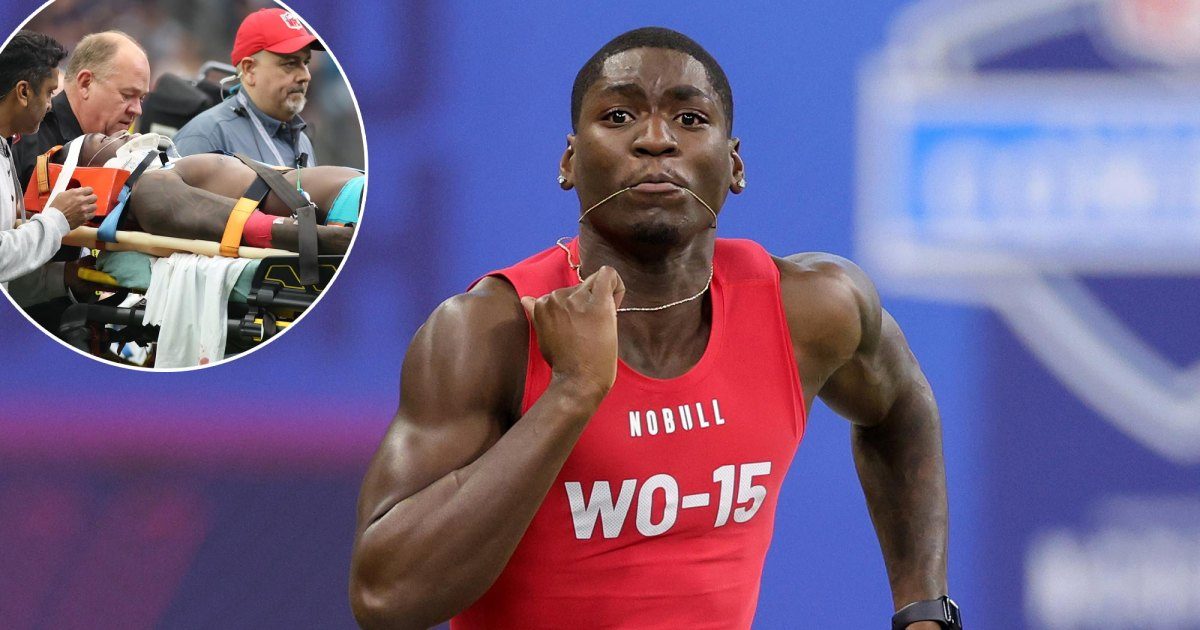
In a shocking turn of events, Miami Dolphins wide receiver Grant DuBose was hospitalized following a serious head injury he sustained during a recent game. The incident has raised concerns not only among fans and team officials but also within the broader football community about the implications of head injuries in contact sports. As the Dolphins await updates on DuBose’s condition, it is crucial to examine the context of head injuries in the NFL, their long-term effects, and how teams are responding to these alarming situations.
Understanding the Incident
During the game, DuBose was involved in a collision that led to immediate concern from coaches and medical staff. The nature of head injuries can be unpredictable and often requires extensive evaluation before a player is cleared to return to the field. The Dolphins’ medical team acted swiftly, transporting DuBose to a local hospital for further assessment, underscoring the seriousness of the situation.
While details regarding DuBose’s specific injury have yet to be disclosed, the team has emphasized that the health and safety of its players are paramount. “Our thoughts are with Grant and his family at this time,” said a Dolphins spokesperson. “We are committed to supporting him in every way possible as he recovers.”
The Broader Context of Head Injuries in Football
Head injuries, particularly concussions, have become a major focus in the NFL and across all levels of football. According to the Centers for Disease Control and Prevention (CDC), concussions are a type of traumatic brain injury that can have serious consequences if not properly managed. The NFL has implemented a series of protocols aimed at reducing the risk of injury and ensuring player safety, including:
- Concussion Protocols: Every NFL team is required to have independent neurological consultants to evaluate players who may have sustained a concussion.
- Mandatory Reporting: Players must report any symptoms of a concussion, and coaches are trained to recognize signs of head injuries.
- Education and Awareness: The league invests in educational programs for players, coaches, and staff to raise awareness about the risks associated with head injuries.
Despite these measures, the prevalence of concussions in football remains high. According to a report from the NFL, over 200 concussions were reported during the 2020 season alone, highlighting the ongoing challenge of ensuring player safety.
Long-Term Effects of Head Injuries
The long-term effects of head injuries in football can be severe. Studies have linked repeated concussions to Chronic Traumatic Encephalopathy (CTE), a degenerative brain disease that can lead to cognitive impairment, emotional instability, and other neurological issues. As awareness of CTE has grown, so too has the urgency for the NFL to address these concerns comprehensively.
In 2016, the NFL reached a settlement for a lawsuit brought by former players over its handling of concussion-related issues. The settlement allocated funds for medical research and treatment for players suffering from the effects of concussions, but many advocates argue that more needs to be done to protect current players.
Team Responses and Player Support
In light of incidents like DuBose’s, teams across the league are becoming increasingly proactive regarding player health. The Dolphins, like many franchises, have invested in advanced medical staff and technology to monitor player health more effectively. They are also fostering a culture where players feel empowered to speak up about their health without fear of repercussion.
Moreover, the NFL Player Association (NFLPA) has been vocal in advocating for enhanced safety measures, pushing for better training and education on the effects of head injuries. Players are encouraged to prioritize their health and take advantage of the resources available to them.
The Role of Technology in Injury Prevention
As the conversation around head injuries evolves, technology is playing an increasingly significant role in injury prevention and management. Innovations such as:
- Wearable Technology: Devices that monitor players’ movements and impacts can help identify patterns that lead to injuries.
- Advanced Imaging Techniques: Improvements in MRI and CT scans enable more accurate diagnosis and treatment of brain injuries.
- Simulation Training: Virtual reality training programs are being developed to help players learn to avoid dangerous situations on the field.
These technological advancements are critical as teams seek to reduce the incidence of head injuries and improve player safety.
Community and Fan Reactions
The reaction to DuBose’s hospitalization has sparked widespread concern among fans and the broader sports community. Social media platforms were flooded with messages of support for the young receiver, emphasizing the connection between athletes and their fans. Many commentators have called for increased awareness about head injuries and the need for continued support for affected players.
The incident also serves as a reminder of the risks players take every time they step onto the field. Fans, while passionate about the game, must also recognize the physical toll it can take on athletes. As the conversation continues, it is essential for the community to advocate for player safety and well-being.
Looking Ahead: What’s Next for Grant DuBose?
As Grant DuBose recovers, the Dolphins franchise and its fans are hopeful for a positive outcome. Updates on his condition will be closely monitored, and the team is expected to provide information as it becomes available. Meanwhile, players and staff will continue to emphasize the importance of health and safety in football.
In conclusion, the hospitalization of Grant DuBose serves as a critical reminder of the ongoing challenges associated with head injuries in football. While the NFL has made strides in improving player safety, incidents like this highlight the need for continued vigilance, innovation, and support for players both on and off the field. The football community must come together to ensure that the health and safety of athletes remain a top priority as the sport continues to evolve.
See more Sky News Portal